Blog / eNews
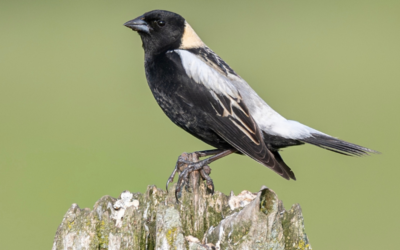
Recent risk assessment updates for bird species in Canada
Five well-known birds to Canada, including the Snowy Owl and Bobolink, had their conservation status updated recently. These changes highlight population declines, habitat loss, and other threats, while also showing where conservation efforts are making a difference. Learn why these species matter and how your actions can help protect them.
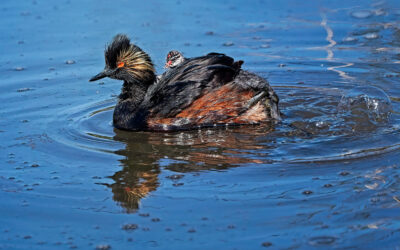
Road-tripping to some of Canada’s southwest Key Biodiversity Areas
This summer, our KBA Coordinator hit the road to visit some of Alberta and B.C.’s most important biodiversity hotspots—from grassland KBAs filled with rare birds to coastal sites rich with marine life. Discover the species that make these places essential.
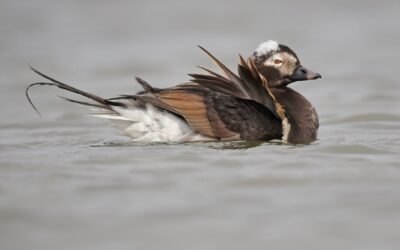
25-Year Trends of Coastal Waterbirds in British Columbia
Some of British Columbia’s iconic birds, like Western Grebes and Long-tailed Ducks, are still in decline. Our latest analysis takes a closer look at these trends, informing vital conservation work.
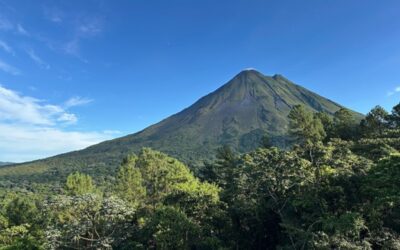
Birding Costa Rica’s Caribbean Slope with Birds Canada and Eagle-Eye Tours
Twelve days, 337 bird species, and unforgettable wildlife encounters—from Resplendent Quetzals to massive raptor migrations. Discover the highlights and learn why tours like this matter for birds.
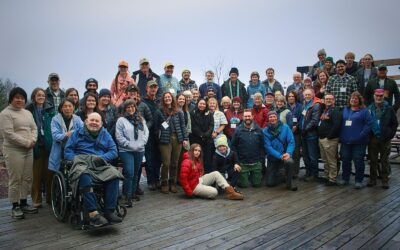
Canadian Migration Monitoring Network (CMMN) Reunites: Canada’s Bird Observatories Connect and Collaborate
This November, CMMN held its first in-person meeting since 2018 at Long Point. Over 60 participants from 22 observatories shared research on migration trends, collaborative projects, and bird safety. The reunion strengthened partnerships, showcased vital data on 200+ species, and advanced conservation across Canada.
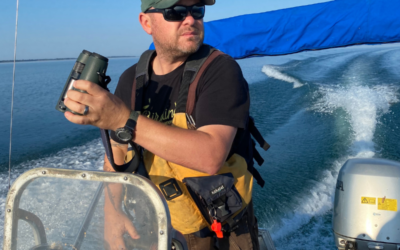
Celebrating 20 years of Canada’s Ambassador to Long Point – Stu Mackenzie
For two decades, Stu Mackenzie has helped shape Long Point Bird Observatory into a world-class hub for migration science, training and global collaboration. From pioneering Motus to inspiring countless birders, Stu’s passion has transformed how we understand and protect migratory birds. Join us in celebrating his remarkable contributions.