Conserva Aves
At Birds Canada, we know that migratory birds need conservation wherever they breed, rest, and spend the non-breeding season. Through Conserva Aves, we work alongside organizations and communities across Latin America and the Caribbean to support locally led conservation, helping protect critical habitats for threatened endemic and migratory birds while building long-term resilience for nature and people.

©Chihuahuan Desert, MexicoPhoto: Karen Toro/BirdLife International
©Chihuahuan Desert, MexicoPhoto: Karen Toro/BirdLife International
Protecting migratory birds means protecting the places they rely on throughout their lifecycle. That's why we work with organizations and communities in the United States, Latin America, and the Caribbean to advance conservation across borders through Conserva Aves, a collaborative initiative focused on the creation and sustainable management of locally-conserved areas. These areas are critical to safeguard threatened endemic and migratory birds and their habitats throughout Latin America and the Caribbean.
The Conserva Aves initiative is led by the American Bird Conservancy, National Audubon Society, Birds Canada, BirdLife International, and the Latin American and Caribbean Network of Environmental Funds (RedLAC) to promote climate resilience and sustainable development.
A Bold Vision for Bird Conservation
By joining the Conserva Aves Initiative, we are contributing to:
To date, Birds Canada has contributed to the Conserva Aves Initiative by advancing conservation across seven Latin American countries—Mexico, Honduras, Costa Rica, Panama, Colombia, Ecuador, and Peru—where more than 195,000 hectares have already been protected, with plans to continue expanding across the region.
Community-led, equitable conservation
Through this collaborative initiative, Birds Canada works with partners to support locally led and gender-equitable change to benefit birds, biodiversity, and communities to achieve inclusive nature conservation. Finding solutions to biodiversity loss and climate change goes hand in hand with supporting gender equality for women and girls, who are experiencing the greatest burden from reduced access to natural resources, and employment, as well as safeguarding the traditional livelihoods of Indigenous Peoples, Afrodescendant groups and other vulnerable communities in Latin America and Caribbean. Working to protect biodiversity while also addressing inequalities within communities results in stronger and more sustainable results for conservation.
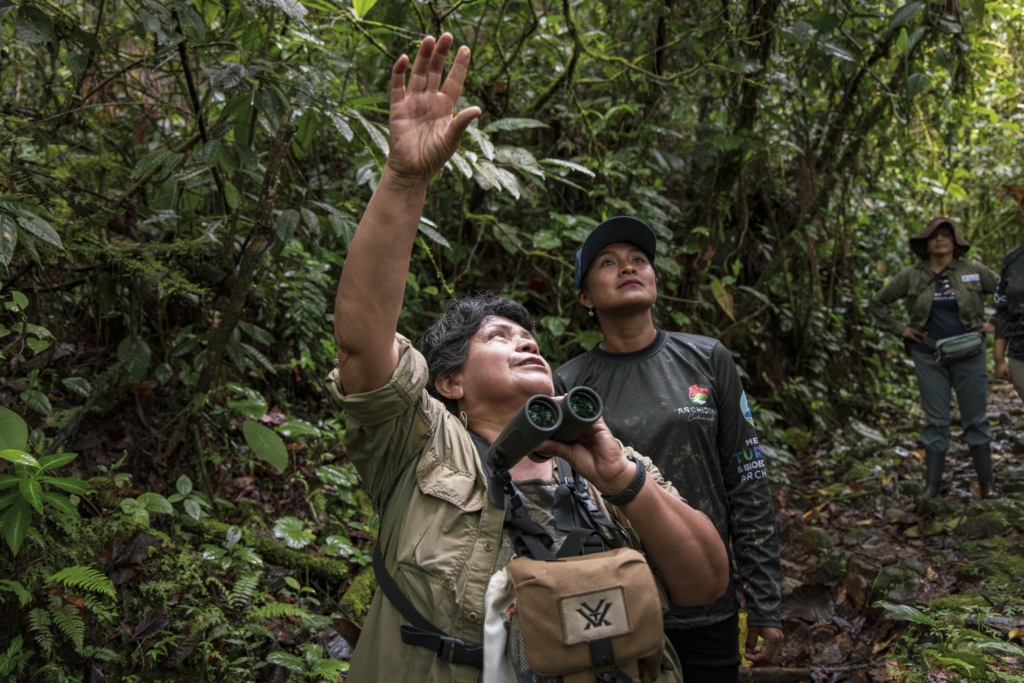
©Archidona, EcuadorPhoto: Karen Toro/Birdlife International
Advancing Global 30x30 Goals
Through this international partnership, we support the Kunming-Montreal Global Biodiversity Framework targets to halt and reverse biodiversity loss through the protection of migratory birds, such as, Target 3, which aims to conserve 30% of land, waters, and seas by 2030, and Target 23, ensuring gender equality and a gender-responsive approach for Biodiversity Action.
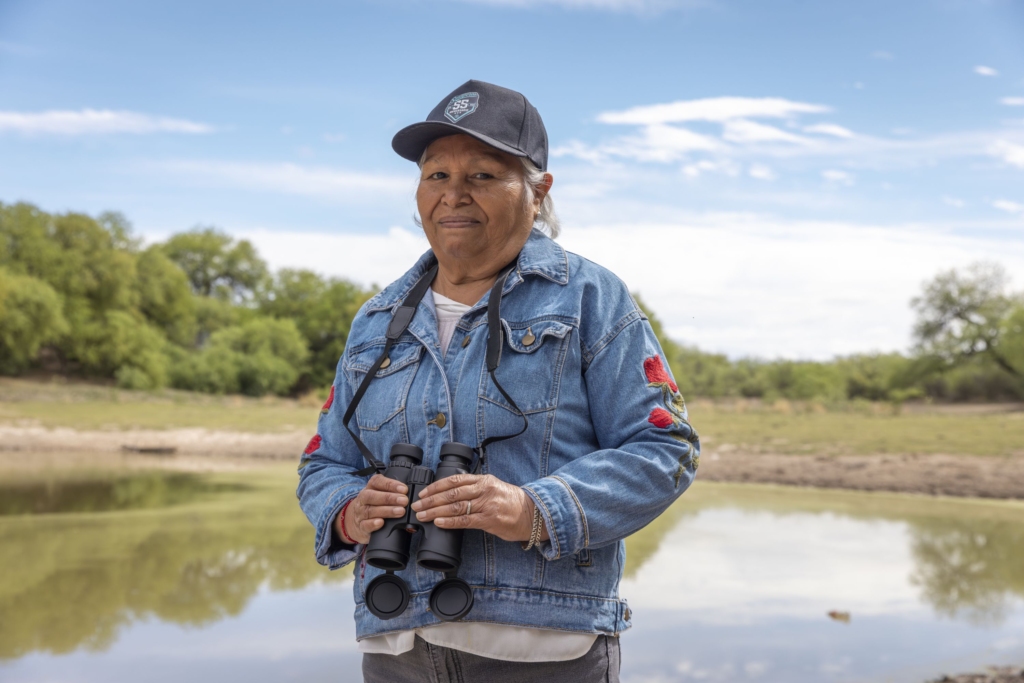
©Coahuila, MéxicoPhoto: Karen Toro/BirdLife International
Tracking Movement: Our Migration Technology
Conservation technology helps us better understand the journeys of migratory birds and the places they depend on. Through the Motus Wildlife Tracking System, Birds Canada is supporting partners across Latin America to expand bird tracking networks, identify important stopover and movement pathways, and generate the data needed to guide conservation of priority habitats through Conserva Aves. See how Birds Canada’s technology is helping birds thrive.
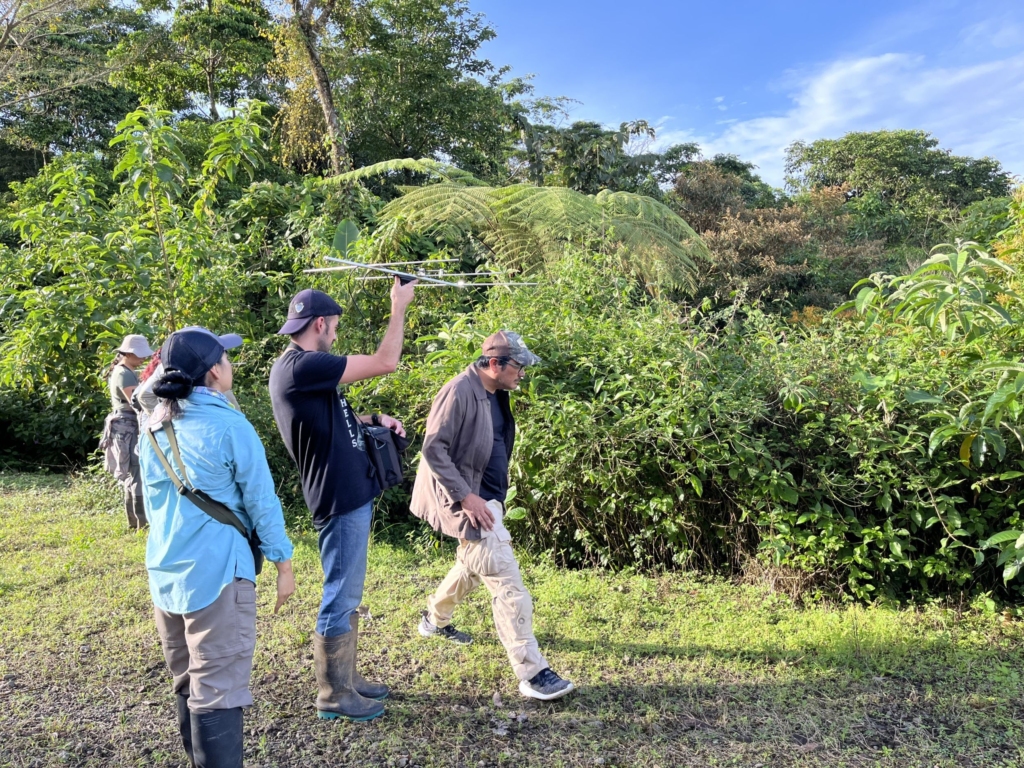
©Costa RicaPhoto: Amie MacDonald
"This experience is important because it helps enhance the value of the area and strengthens interest in its conservation. Furthermore, external support and the provision of practical tools lay the groundwork for future projects that can support community development and long-term conservation."
- Andrés Gutiérrez Cervera, EcoGuerreros (local partner of Conserva Aves), Yucatan Peninsula, Mexico
Protecting critical habitat for threatened endemic and migratory birds
Some of the birds that benefit
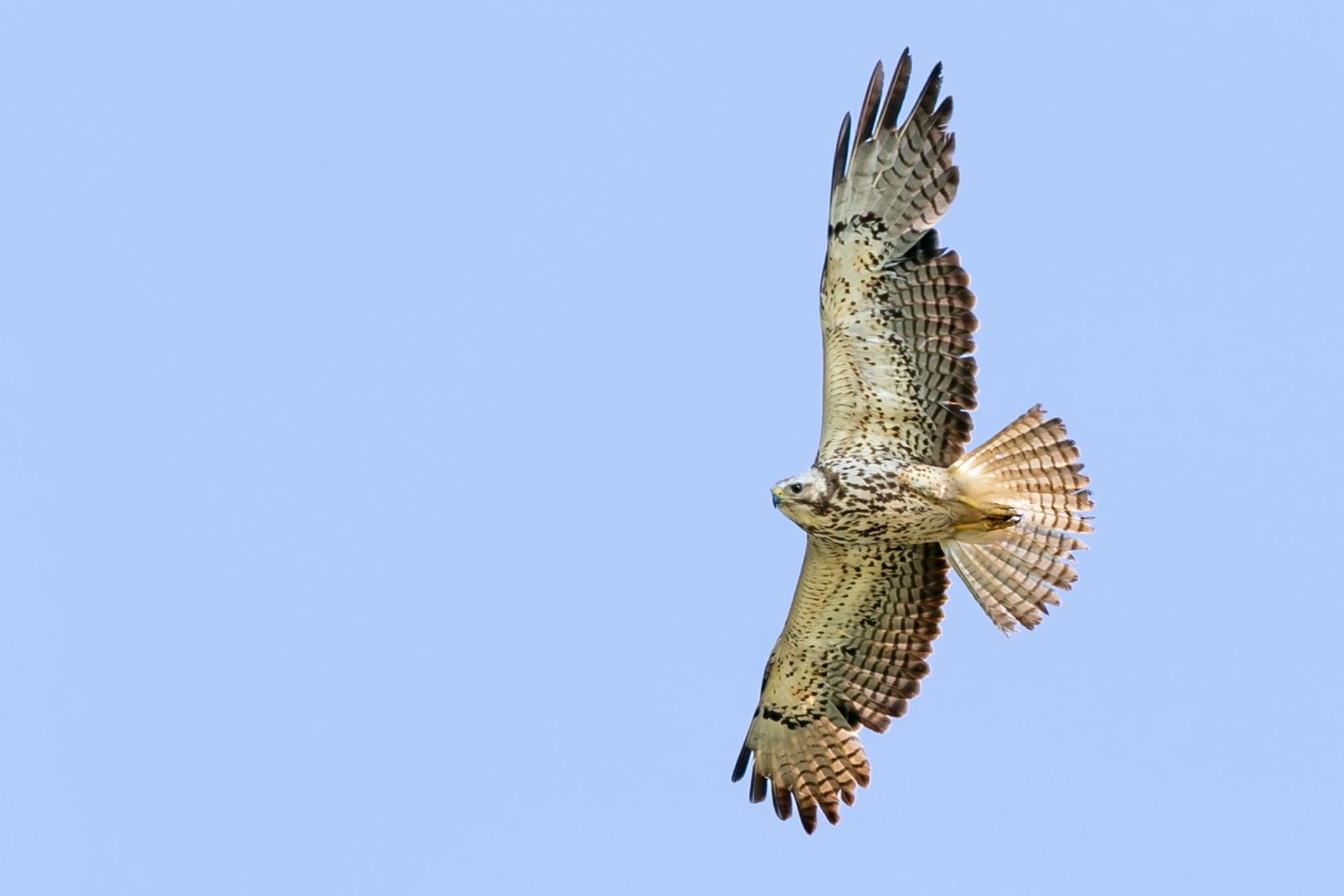
©Swainson's HawkPhoto: Aaron Roberge
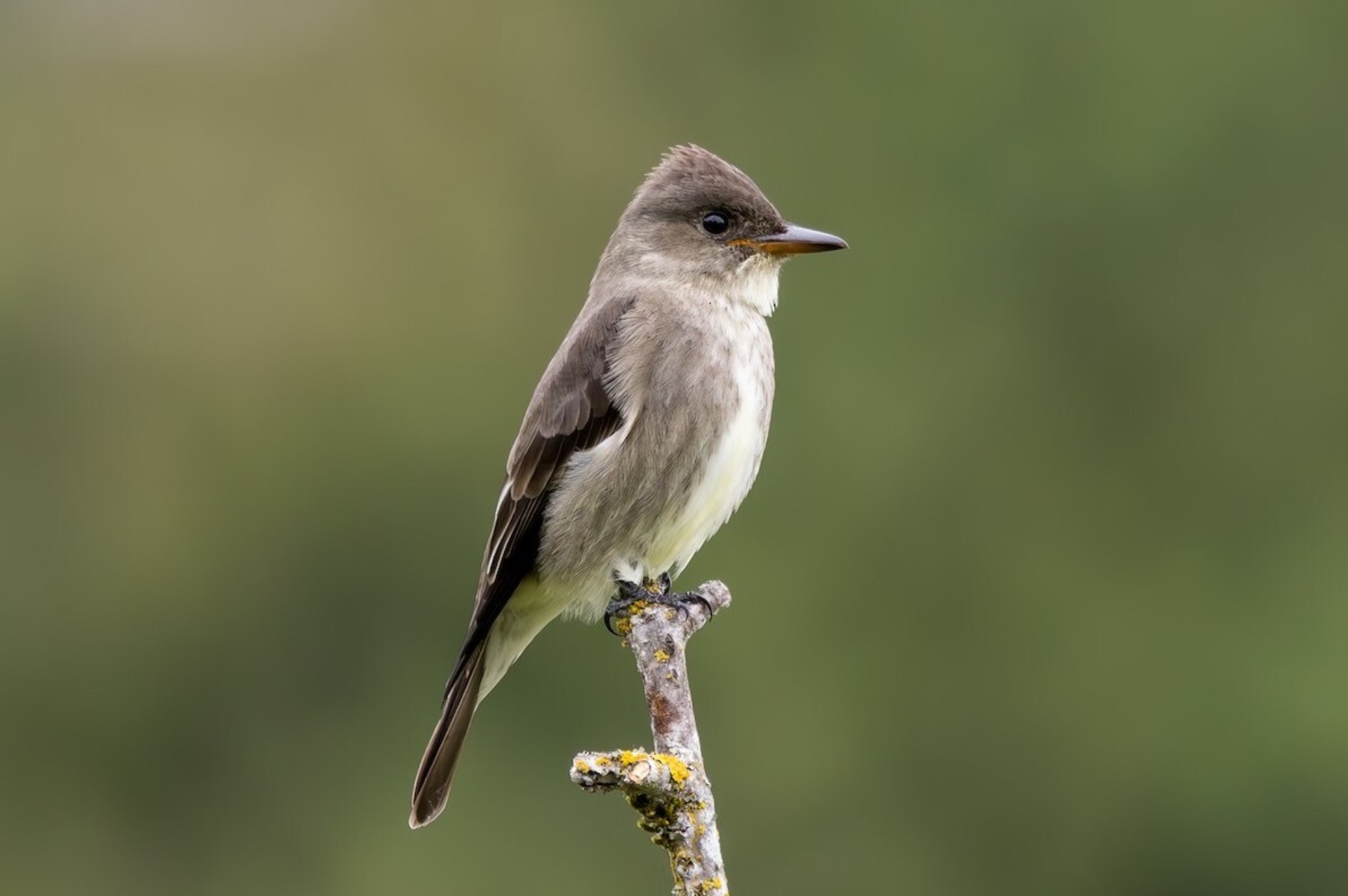
©Olive-sided FlycatcherPhoto: Ian Burgess
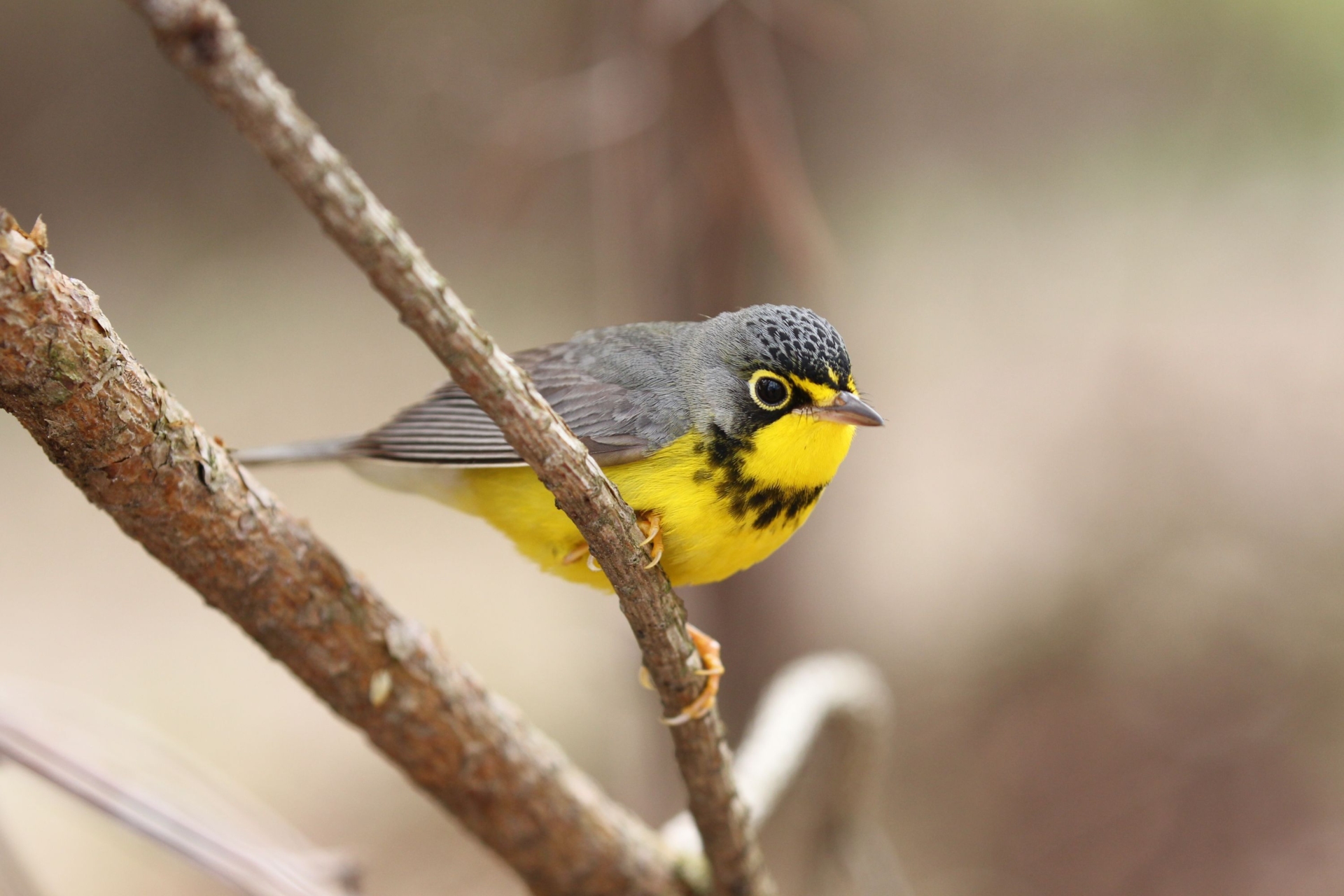
©Canada WarblerPhoto: James Lees
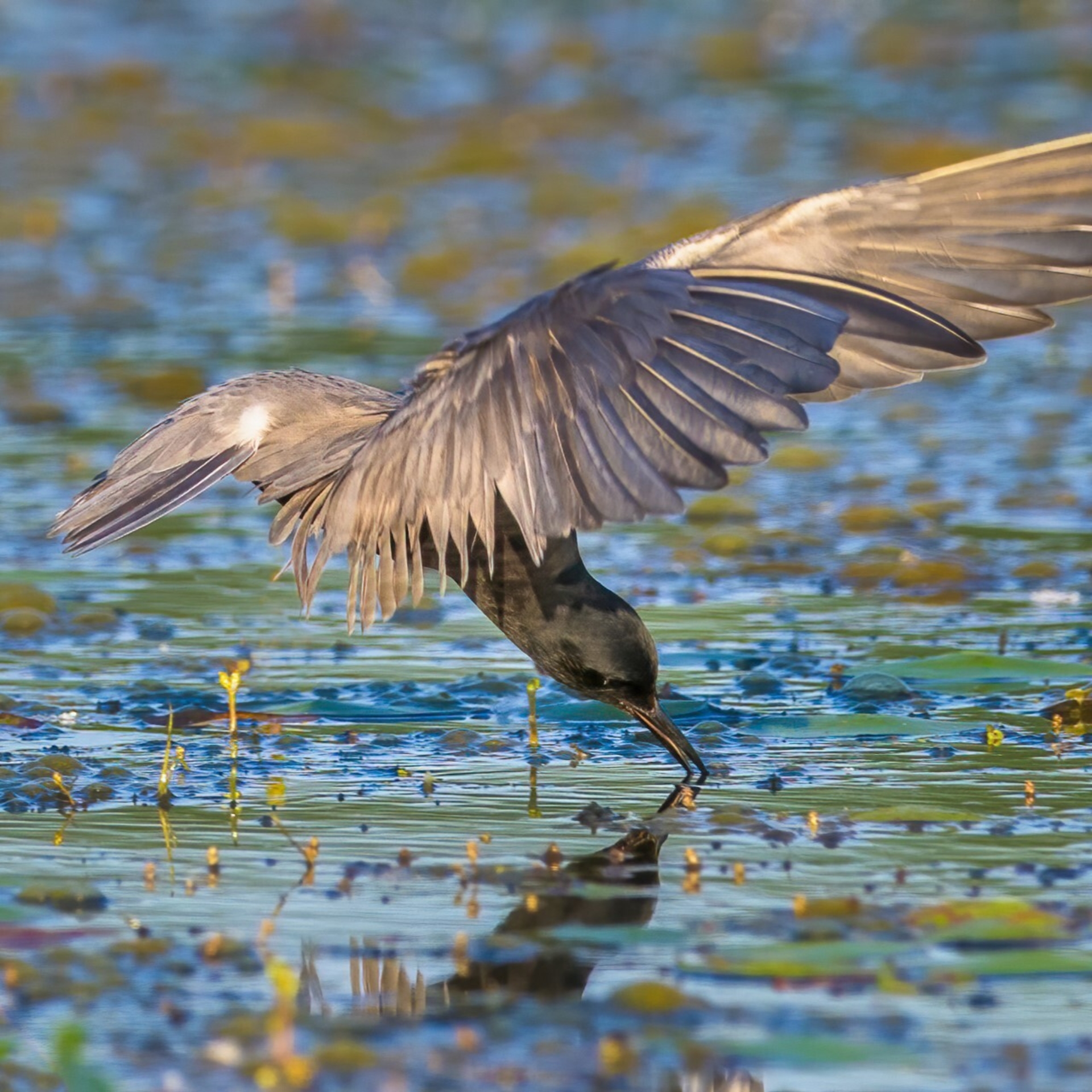
©Black TernPhoto: Sunchie Yang
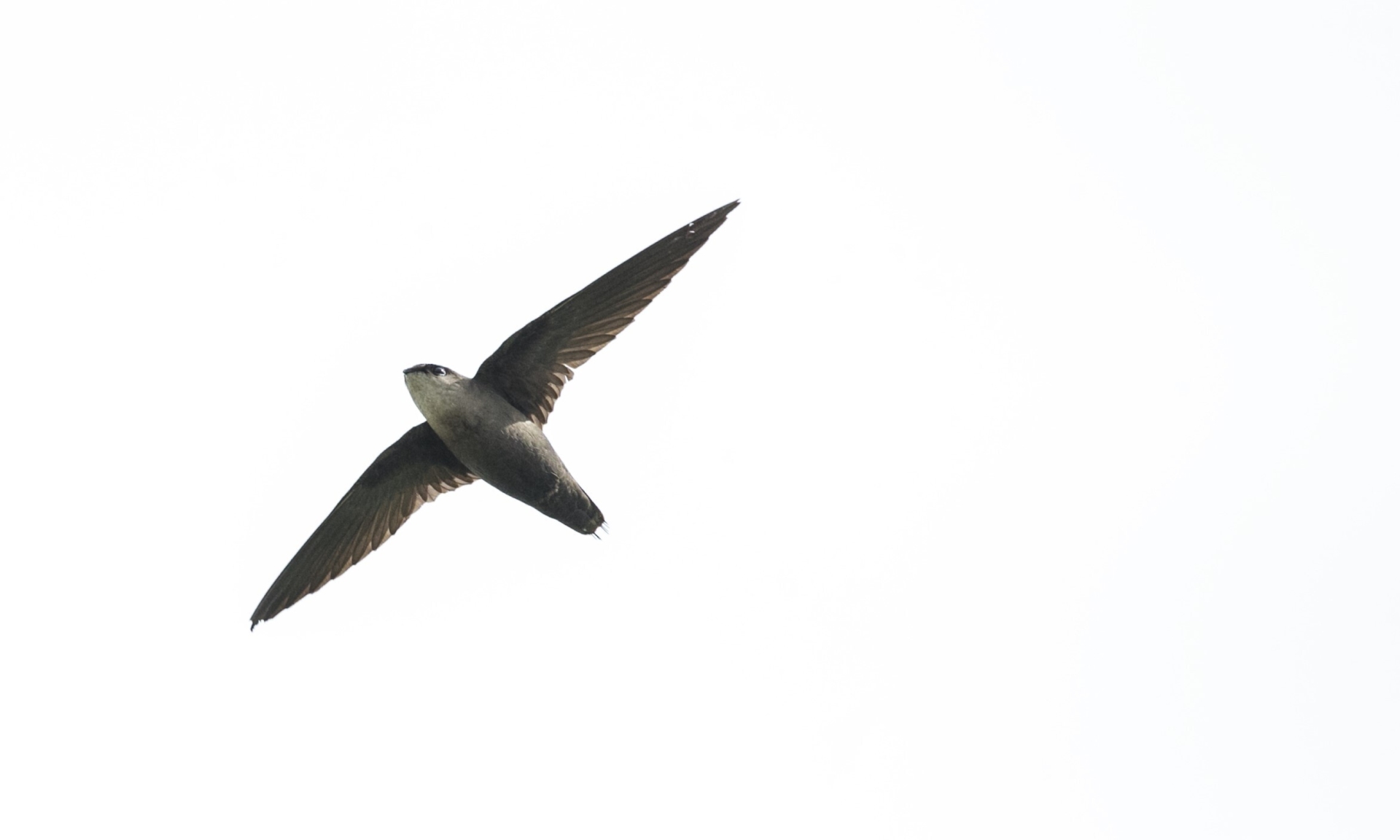
©Chimney SwiftPhoto: Brandon Holden
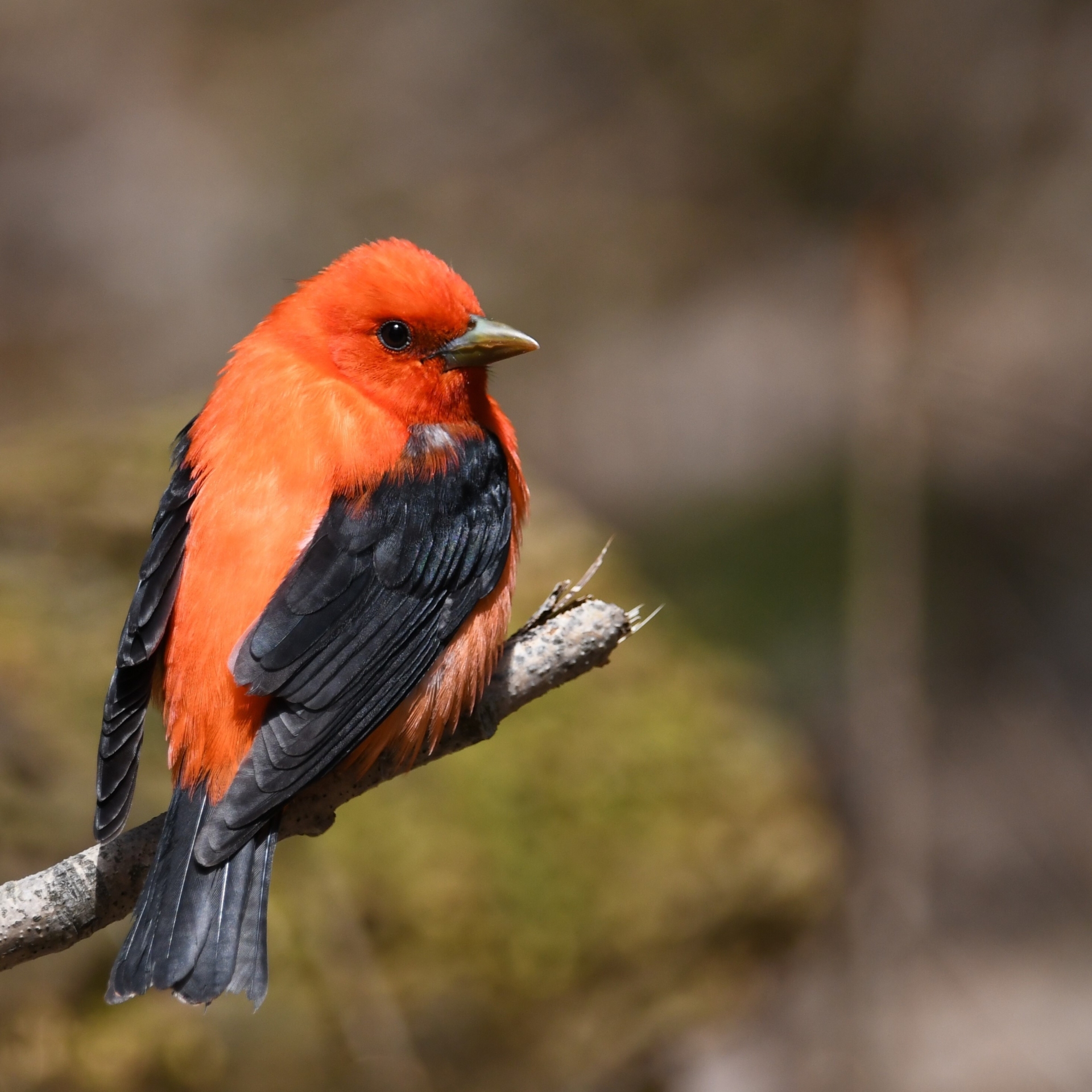
©Scarlet TanagerPhoto: Sue Drotos
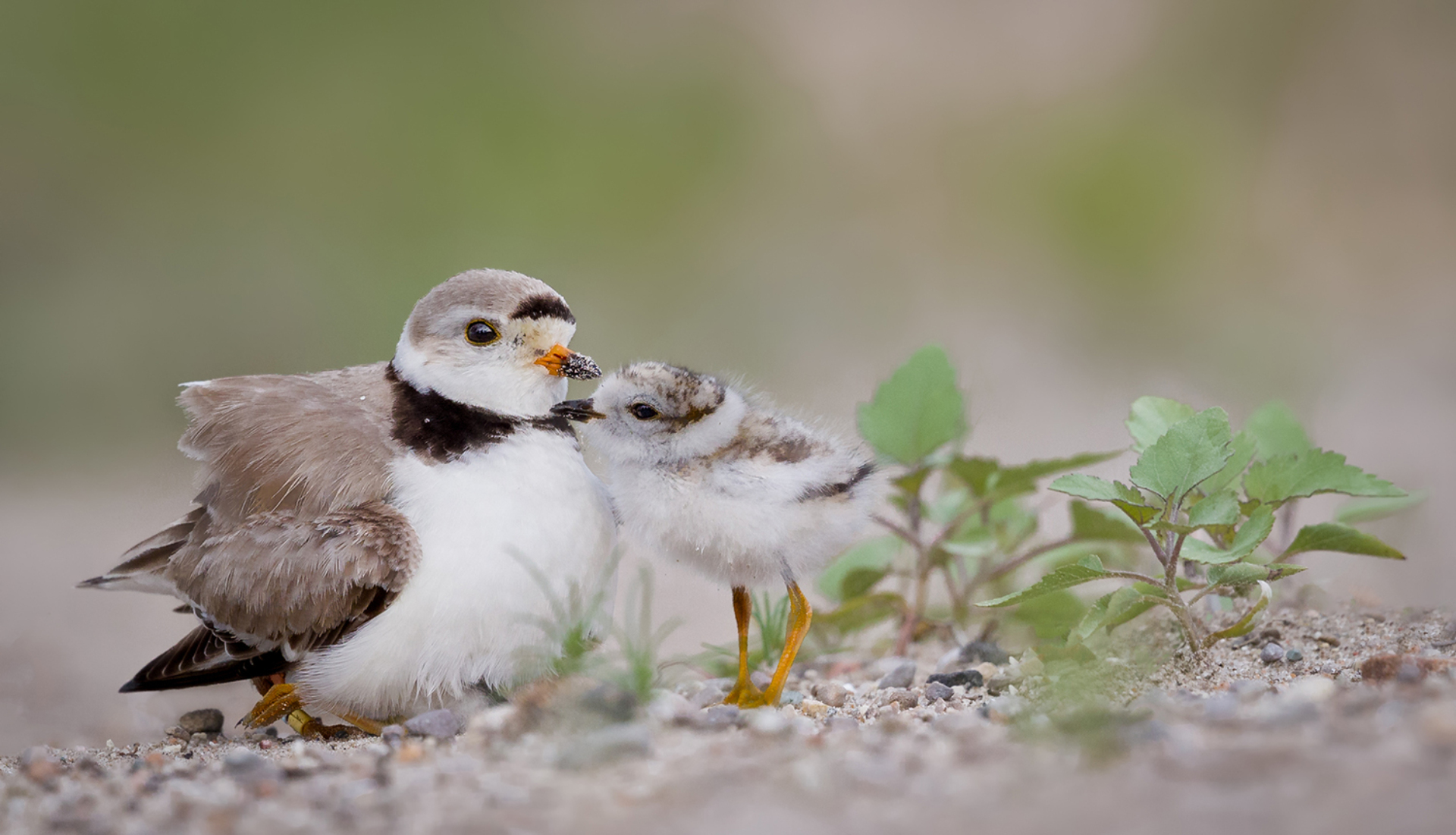
©Piping PloverPhoto: Missy Mandel
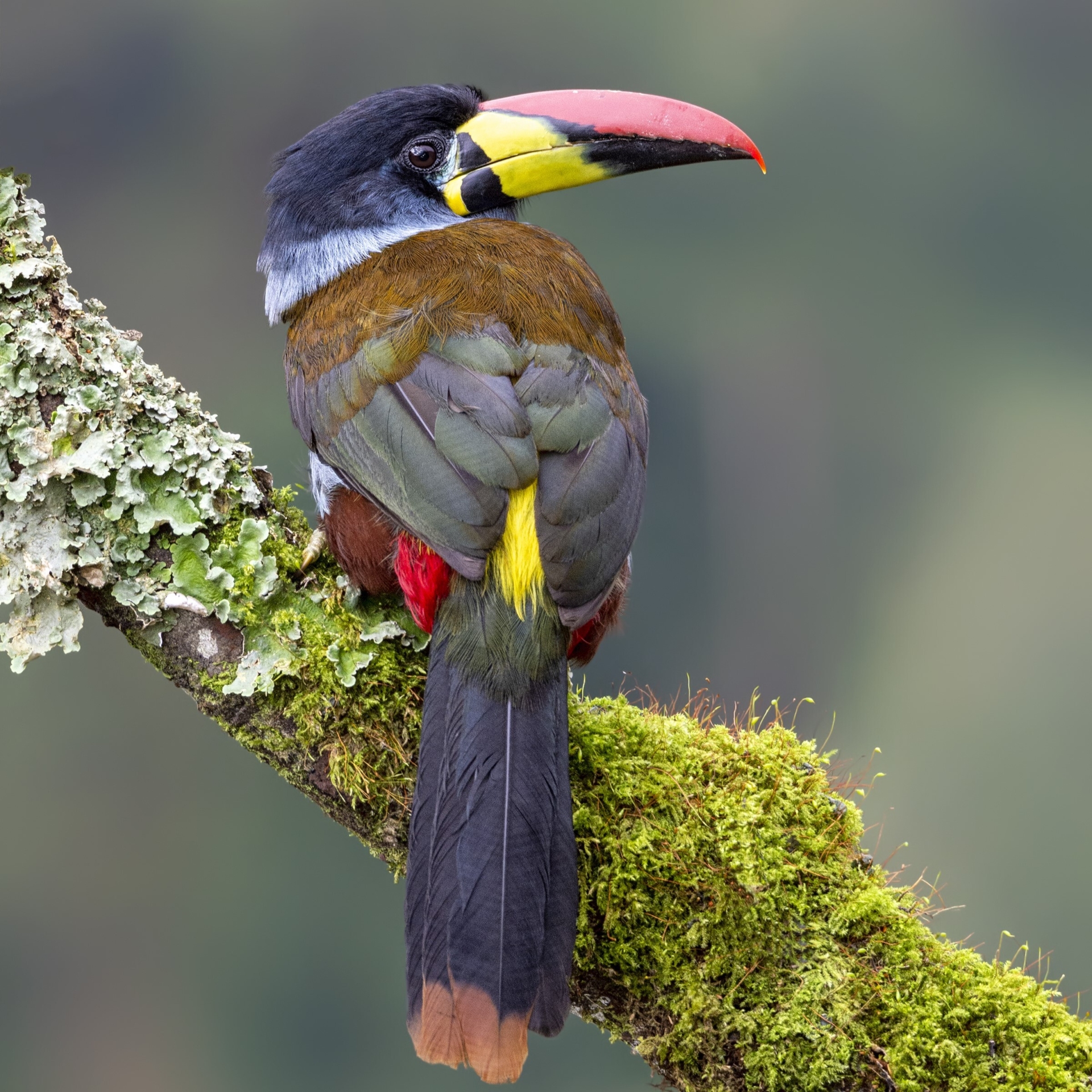
©Gray-breasted Mountain-ToucanPhoto: José Ferney Salgado, Conserva Aves
©Swainson's HawkPhoto: Aaron Roberge
©Chimney SwiftPhoto: Brandon Holden
©Scarlet TanagerPhoto: Sue Drotos
©Olive-sided FlycatcherPhoto: Ian Burgess
©Canada WarblerPhoto: James Lees
©Black TernPhoto: Sunchie Yang
©Piping PloverPhoto: Missy Mandel
©Gray-breasted Mountain-ToucanPhoto: José Ferney Salgado, Conserva Aves