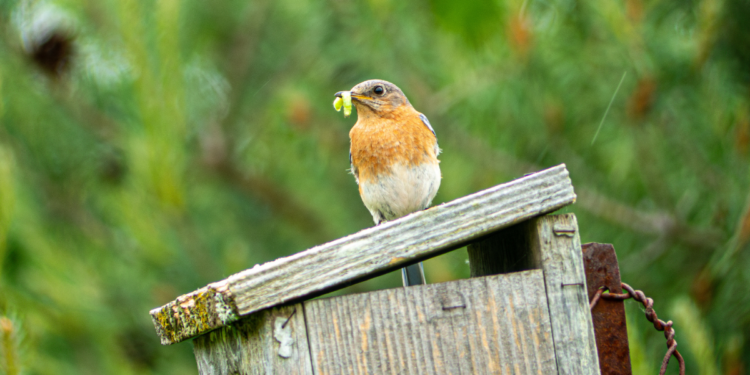
Birdathon: Funding community projects that help birds
We are excited to announce the 2026 recipients of the Birds Canada Community Grant, whose inspiring projects will work to propel bird conservation forward to protect the birds we love.
Stay connected to the world of birds with stories from the field, new science, conservation news, media releases, and ways to get closer to the birds you love.
We are excited to announce the 2026 recipients of the Birds Canada Community Grant, whose inspiring projects will work to propel bird conservation forward to protect the birds we love.
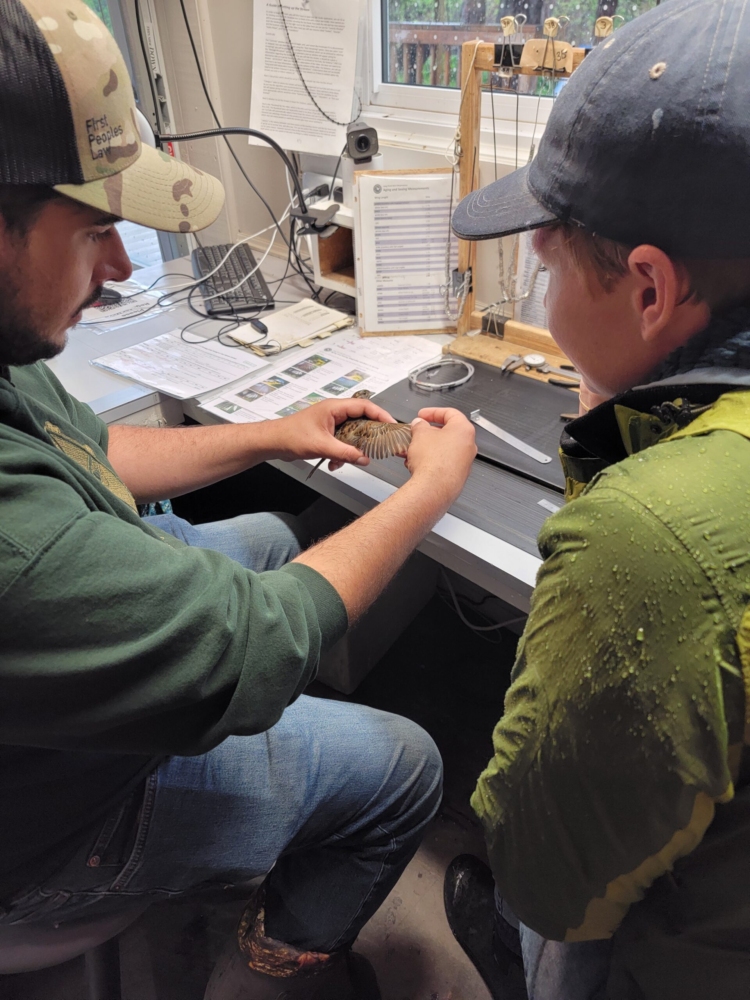
Strong partnerships are at the heart of effective bird conservation, and the growing relationship between Timiskaming First Nation (TFN) and Birds Canada embodies that spirit.
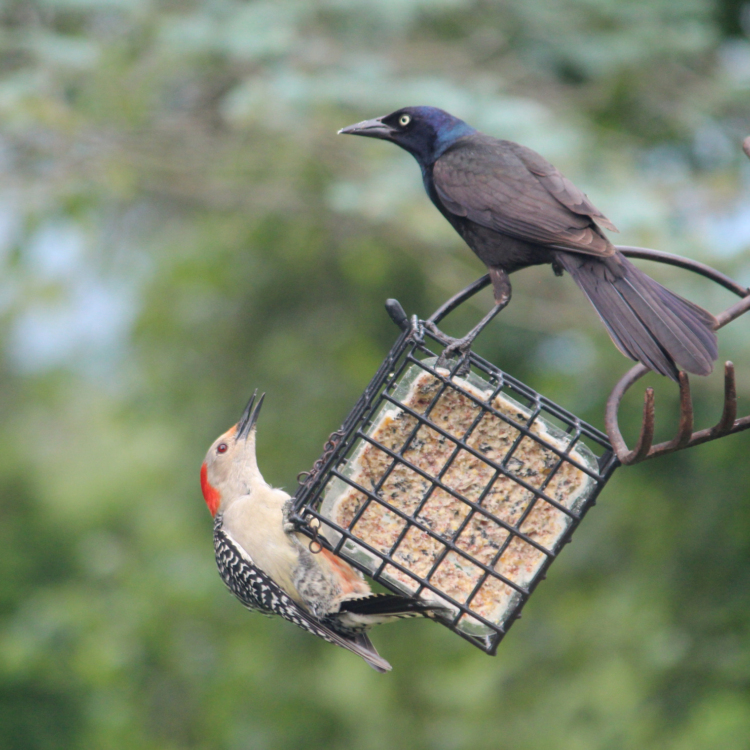
An important part of welcoming birds to your outdoor space is to provide feeders and birdbaths safely. Here are our guidelines.
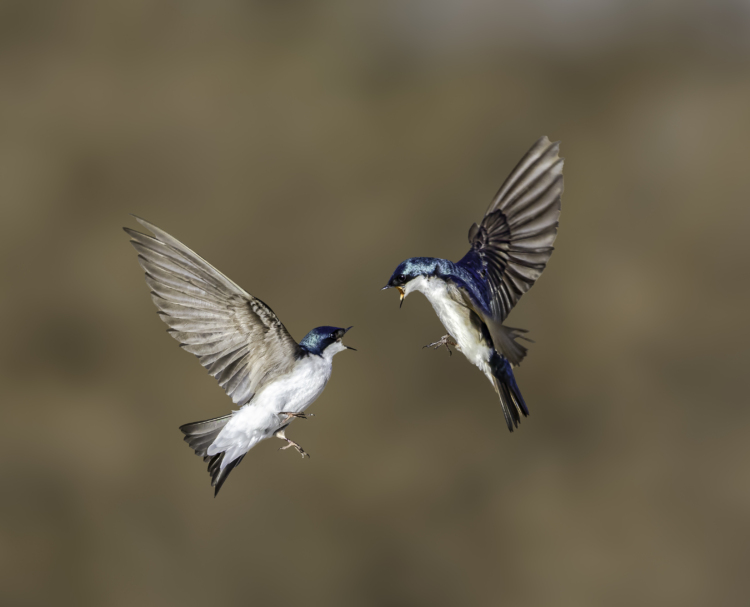
Many bird species time their migration and breeding activities to coincide with insect emergence. However, under a changing climate, this perfect timing doesn’t happen as often. A recent study using long-term data from LPBO demonstrated that Tree Swallows are breeding earlier as temperatures warm over time.
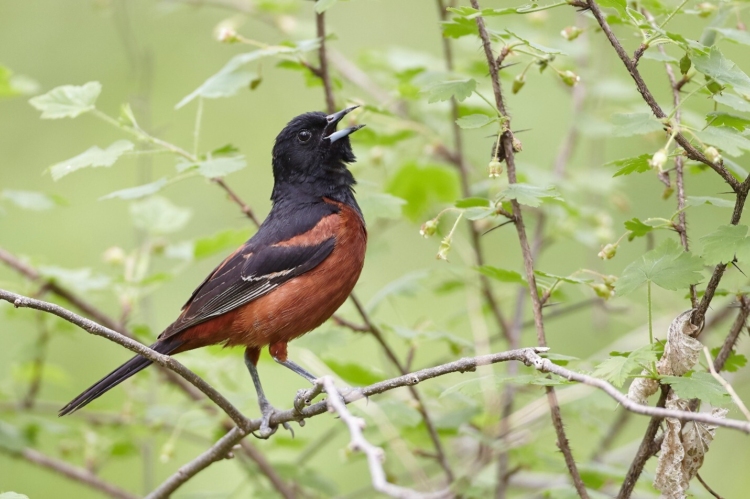
Bird Atlases across the country are providing insights into our most-loved species, but one that is sometimes overlooked is the Orchard Oriole (the Baltimore Oriole steals the attention!). Learn about an endearing species and it’s fascinating range expansion – knowledge gained with the help of Atlas volunteers.
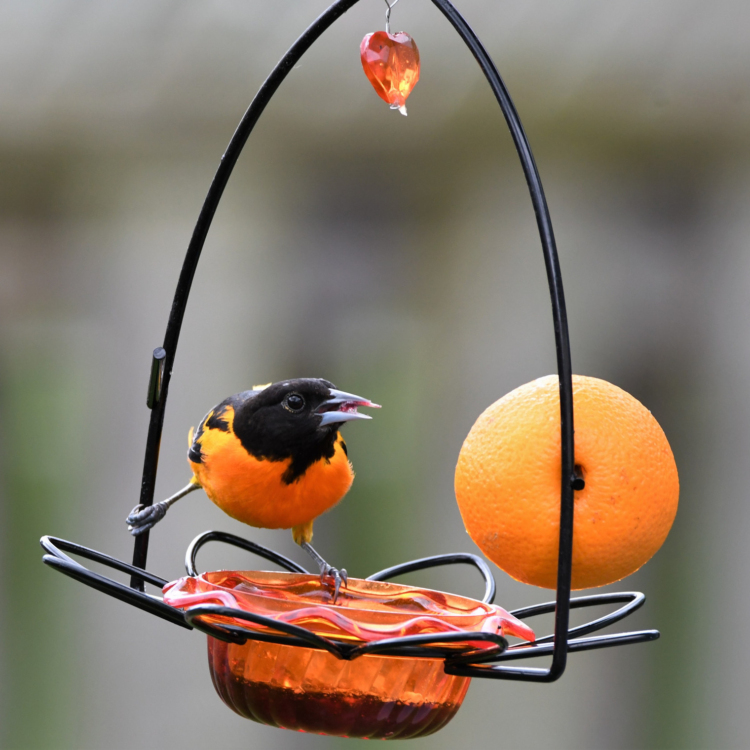
Orioles are so much fun to attract to your backyard with their bright colours, beautiful song, and sock-like nests. Follow these simple steps for attracting and feeding orioles while creating a safe environment for them.
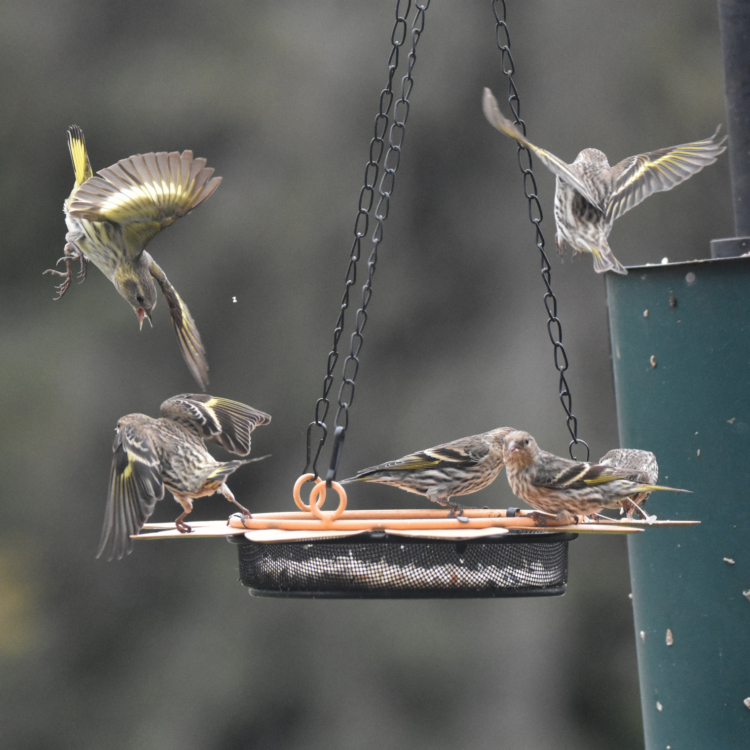
Feeding birds is a wonderful way to connect with nature, support local wildlife, and enjoy the beauty of feathered friends right in your backyard. But to make the most of this rewarding hobby, it’s essential to choose the right feeder and seed type while maintaining a clean and safe environment for your avian visitors. Here’s how to do it.
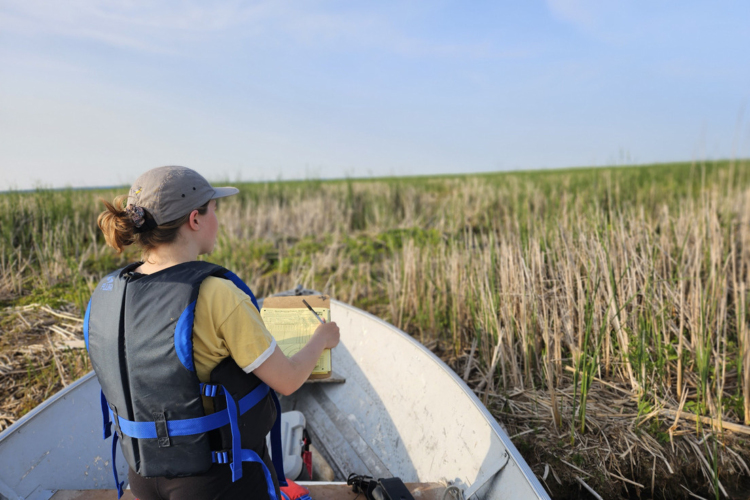
The Maritimes Marsh Monitoring Program will undergo a resurgence in Prince Edward Island this summer, thanks to funding from the PEI Wildlife Conservation Fund. Marsh bird species are notoriously difficult to detect, and this dedicated survey will be key to understanding the presence, distribution, and conservation needs of wetland birds on the island for years to come.

We invited long-time Birdathon participant David Love to share the impact of the event over the years. Click through to the blog for some fascinating Birdathon lore: facts, figures, notable participants and more!
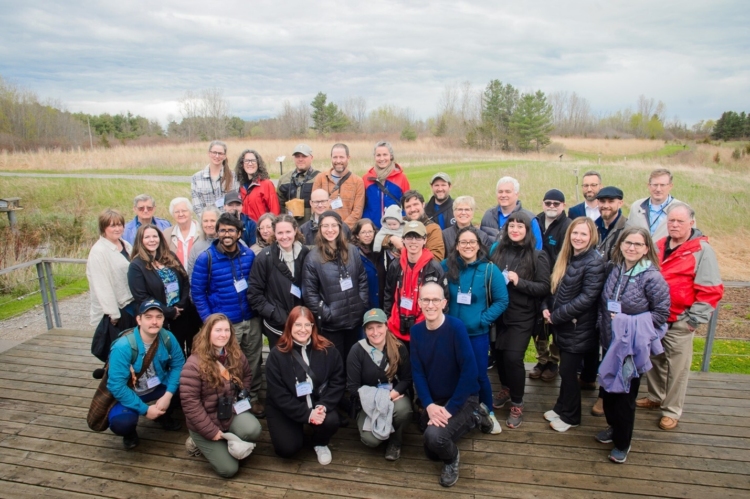
Powering the science birds and nature need to thrive.
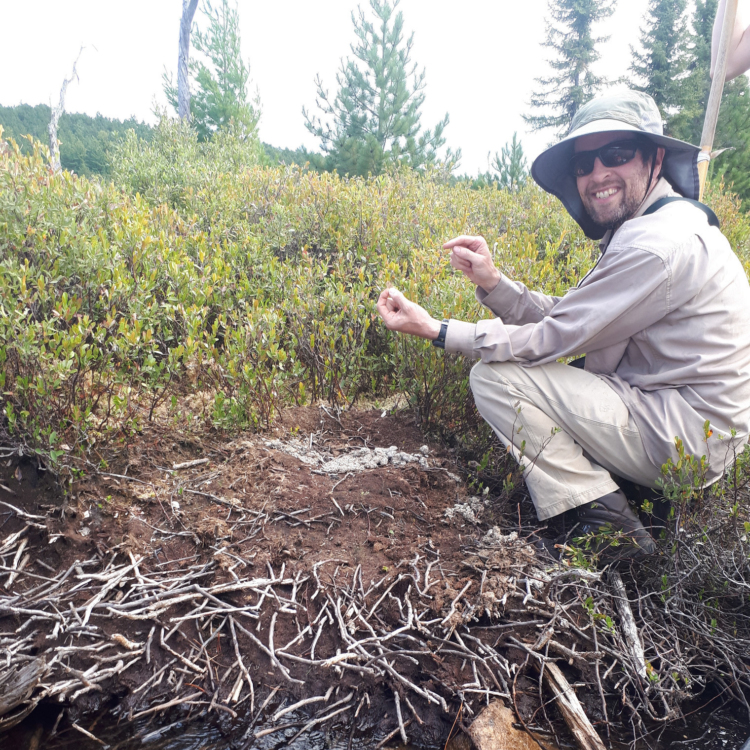
Dr. Doug Tozer was honoured with a Conservation Award from Ontario Nature in early December 2025, spotlighting decades of quiet, meticulous work that has transformed how we understand and protect wetlands and the birds and frogs that depend on them.
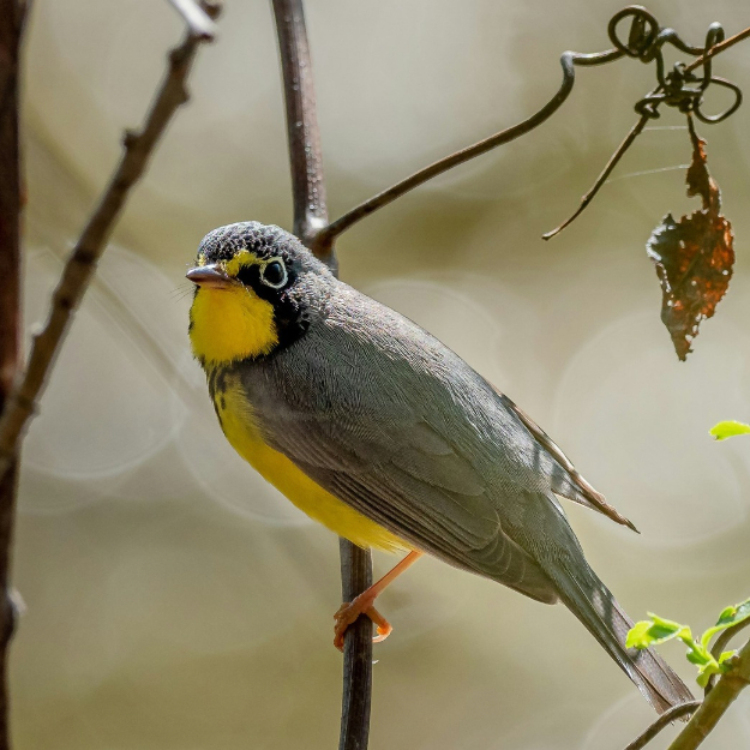
Birds Canada’s first-ever Science in Action Report is a celebration of something powerful: what happens when decades of standardized monitoring, cutting‑edge tools, and thousands of passionate people come together for birds? It answers a big question in a very grounded way: How does science actually improve things for birds and the places they depend on?
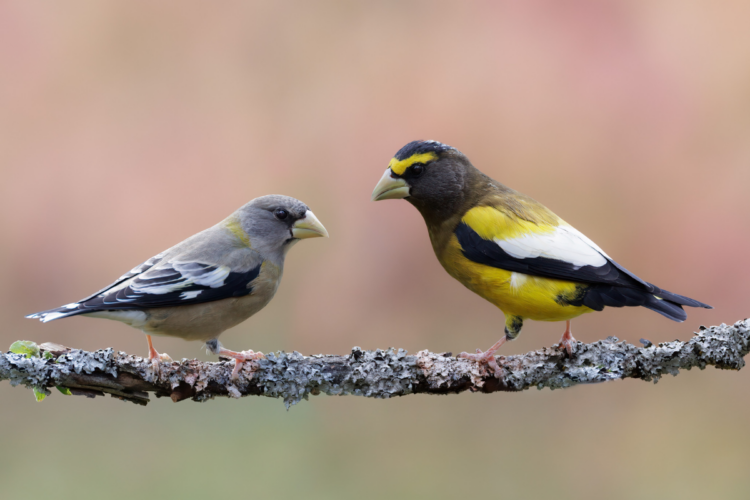
Evening Grosbeaks are widely distributed in Canada, occurring as far west as the Pacific Coast, north to the Yukon border, and east to the Atlantic Coast. We are currently in the midst of an irruption of this species throughout central and eastern Canada. So, with the Evening Grosbeak fresh in the minds of many Canadians, what better way is there to celebrate and learn about this bird that so captures the imagination than to make it our 2026 Avian Ambassador?
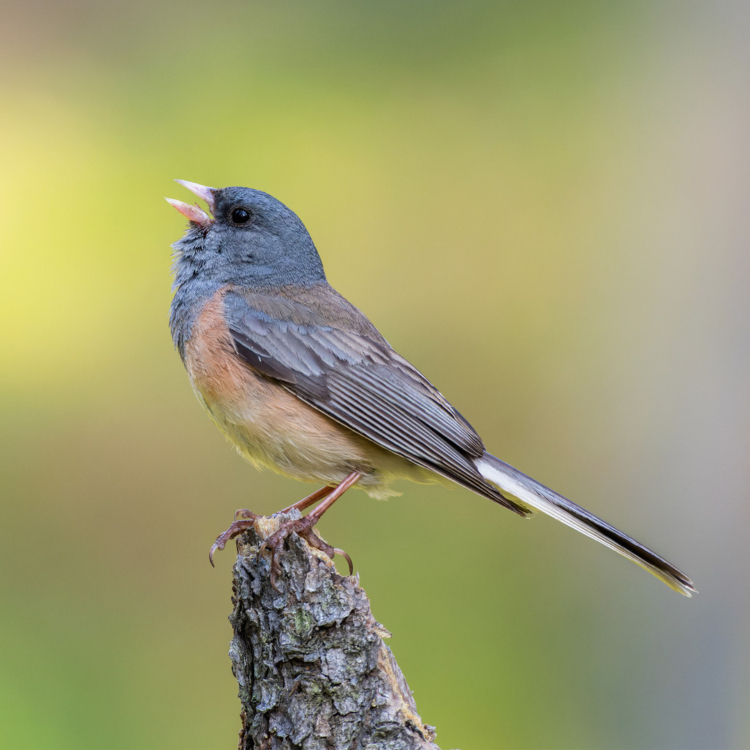
Birds Canada’s staff and volunteers are hard at work organizing the deployment and retrieval of new ARUs with partners and collaborators across Canada, in known and remote locations, to reveal the secrets of avian life.
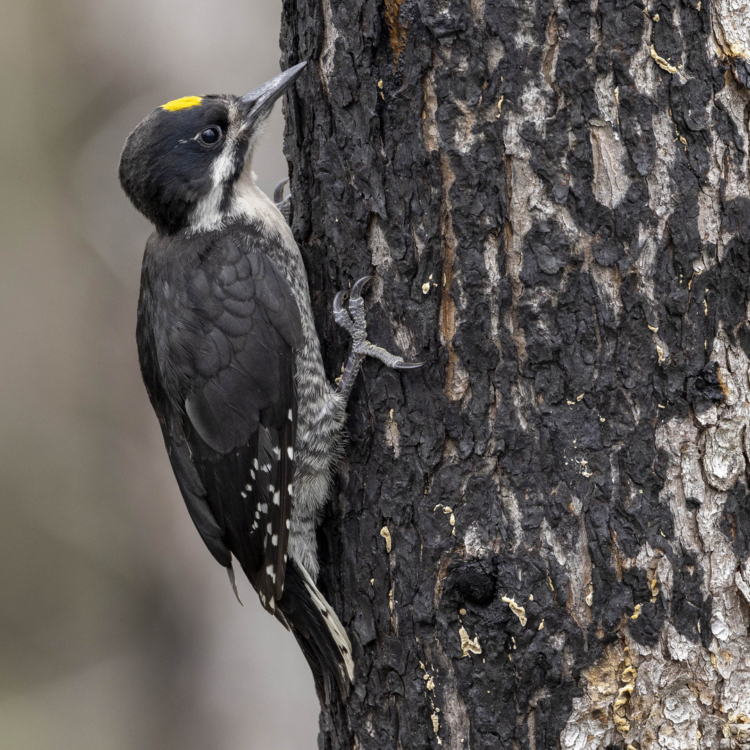
How boreal birds respond to forest fires
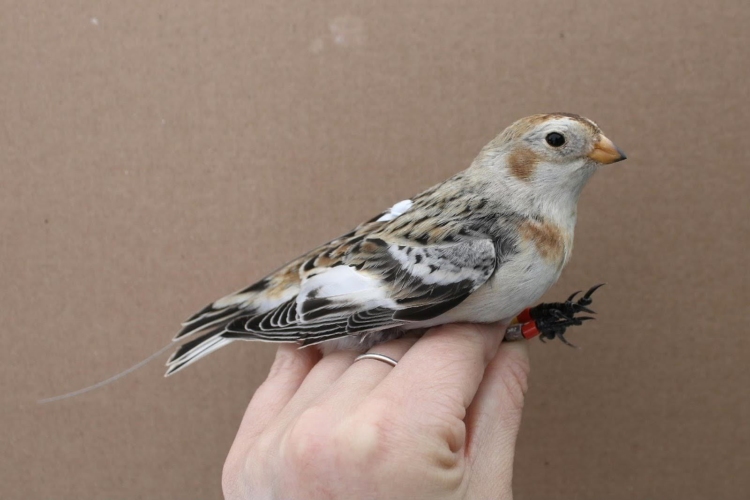
This spring, Birds Canada was proud to not only be invited back to both Cree territory along the shores of Wiiniibek (James Bay) and Nunatsiavut in northern Labrador, but also for the first time to NunatuKavut in southern Labrador, to install new Motus Wildlife Tracking System stations. This work integrates two major five-year initiatives that Birds Canada is embarking on: Science in the North and Motus on the Move.
Sign up for Birds Canada’s newsletter to receive the latest stories, science, conservation news, and opportunities to get involved.