Forest Birds at Risk
The Forest Birds at Risk Program has been running since 2010 and focuses on monitoring, studying, and supporting the recovery of five forest bird species in southern Ontario: Acadian Flycatcher, Cerulean Warbler, Louisiana Waterthrush, Prothonotary Warbler, and Red-headed Woodpecker. To achieve this, we conduct surveys in public and private woodlots throughout the Carolinian and Frontenac Arch Regions during the spring and summer, while working with land managers and partners to protect habitat, guide stewardship actions, and mitigate threats - including invasive species and tree diseases.
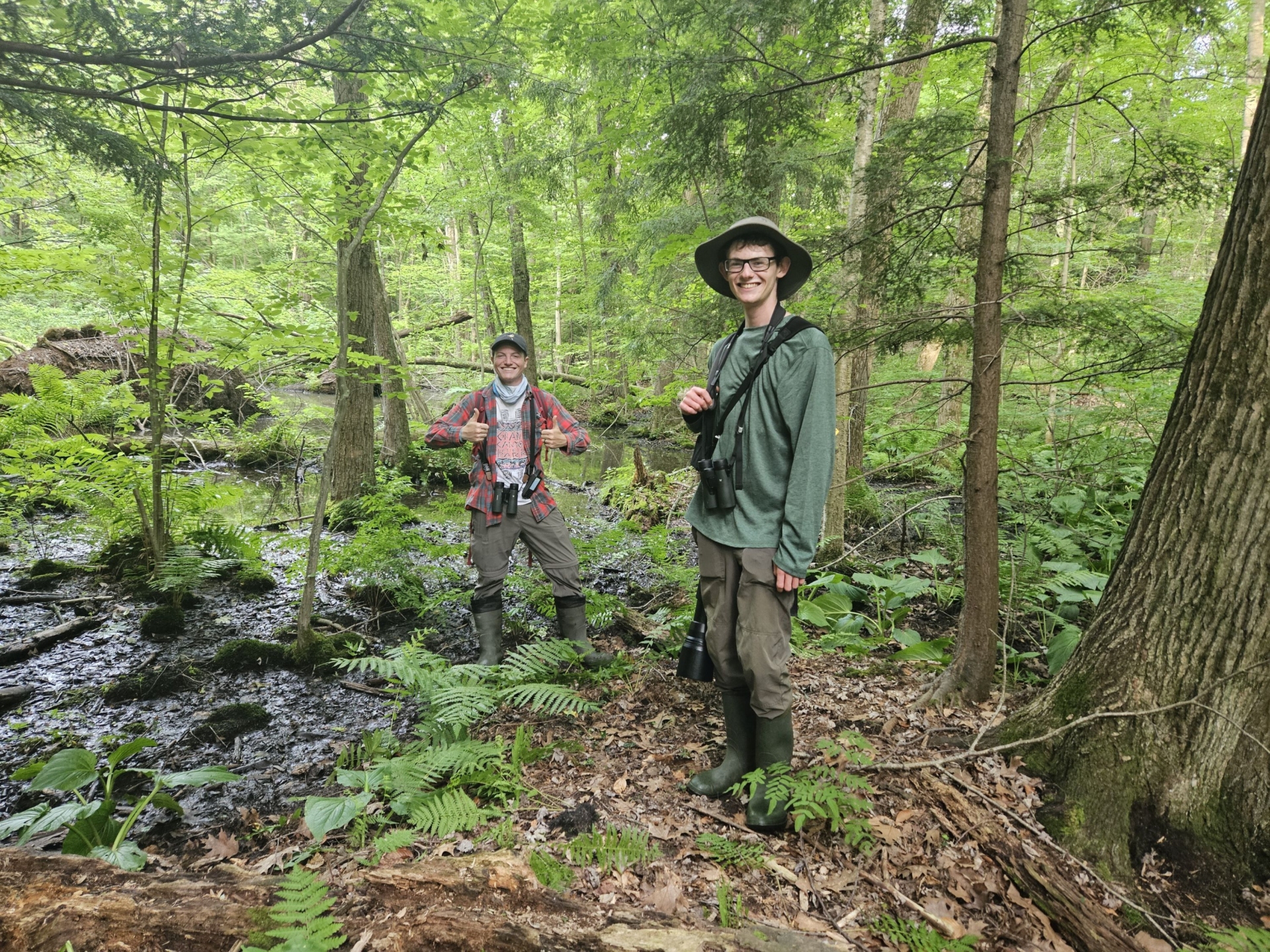
Photo: Samreen Munim
Photo: Samreen Munim
To support the recovery of high-priority forest bird species, we conduct surveys in public and private woodlots throughout the Carolinian and Frontenac Arch Regions during the spring and summer, while working with land managers and partners to protect habitat, guide stewardship actions, and mitigate threats - including invasive species and tree diseases.
Through targeted research projects, we continue to improve our understanding of these at-risk species, their habitat needs, and effective conservation strategies. These projects include targeted surveys and tagging projects for Canada’s core Cerulean Warbler population in the Frontenac Arch Region, building and installing nest boxes for Prothonotary Warblers within the Carolinian Priority Place, and surveying for emerging invasive species such as Hemlock Woolly Adelgid.
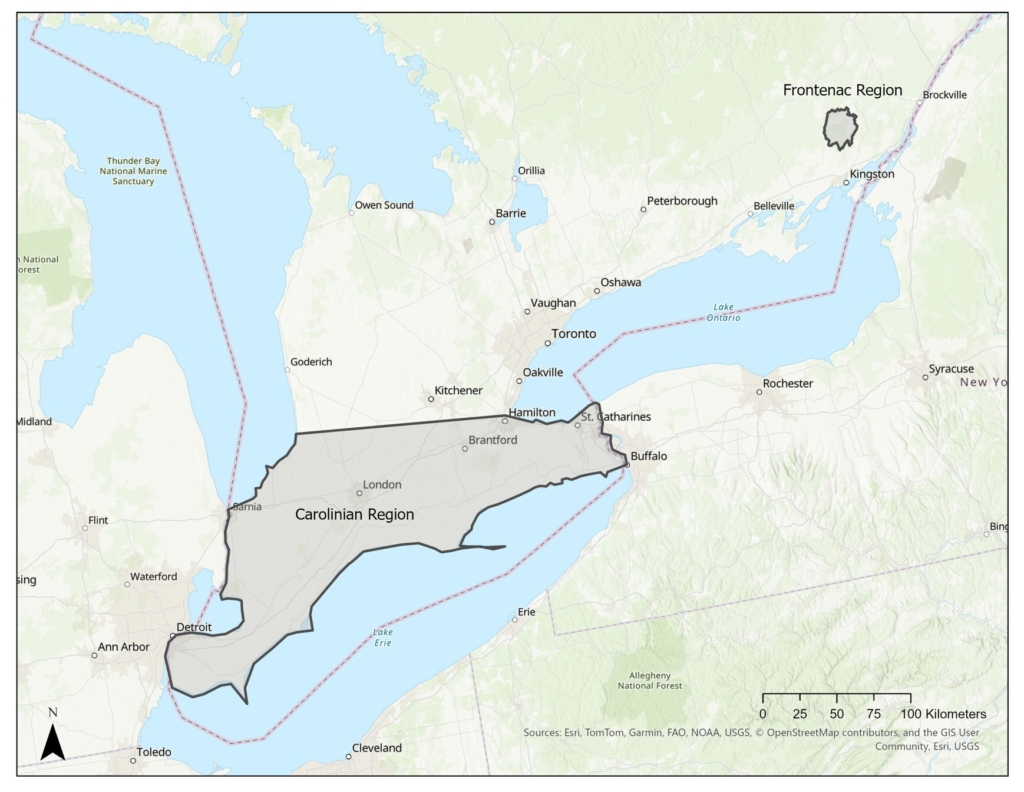
The Carolinian and Frontenac Arch regions of Ontario
Supporting Land Managers
The State of Canada's Birds Report highlights a wide range of trends for forest species: while some forest birds are stable or increasing, others are now among the rarest species in the country. Monitoring these populations is critical for detecting changes in their abundance and distribution over time, which then allows us to identify, better understand, and help to mitigate the factors driving any concerning trends.
In southern Ontario, where forest loss has left the remaining forests small, heavily fragmented, and largely privately managed, these survey and education efforts are essential to supporting land managers as they address threats and preserve habitat for these imperilled bird species.
Since 2010, we have surveyed over 27,000 ha across more than 350 sites and worked with 200+ land managers, supporting their stewardship by raising awareness and supporting action for forest birds and species at risk, while monitoring our target species to fill key knowledge gaps.
All the survey information and related management recommendations are shared with the land managers to directly inform their site management plans and stewardship activities with the goal of supporting healthy forest bird populations. Our targeted projects help to bolster species at risk populations (e.g., Prothonotary Warbler nest boxes) and fill knowledge gaps to better guide conservation action.
The data we collect has additionally been used to update population trends and recovery strategies, influence land securement for conservation purposes, designate Key Biodiversity Areas, analyze range-wide patterns of migration and survival, and more!
Learn more about this work on The Warblers podcast
Meet the birds that we’re working to protect
Visit the species profiles on The State of Canada’s Birds: Acadian Flycatcher, Cerulean Warbler, Louisiana Waterthrush, Prothonotary Warbler, Red-headed Woodpecker.
Each species also has a Recovery Strategy that can be found on the Government of Canada’s website.
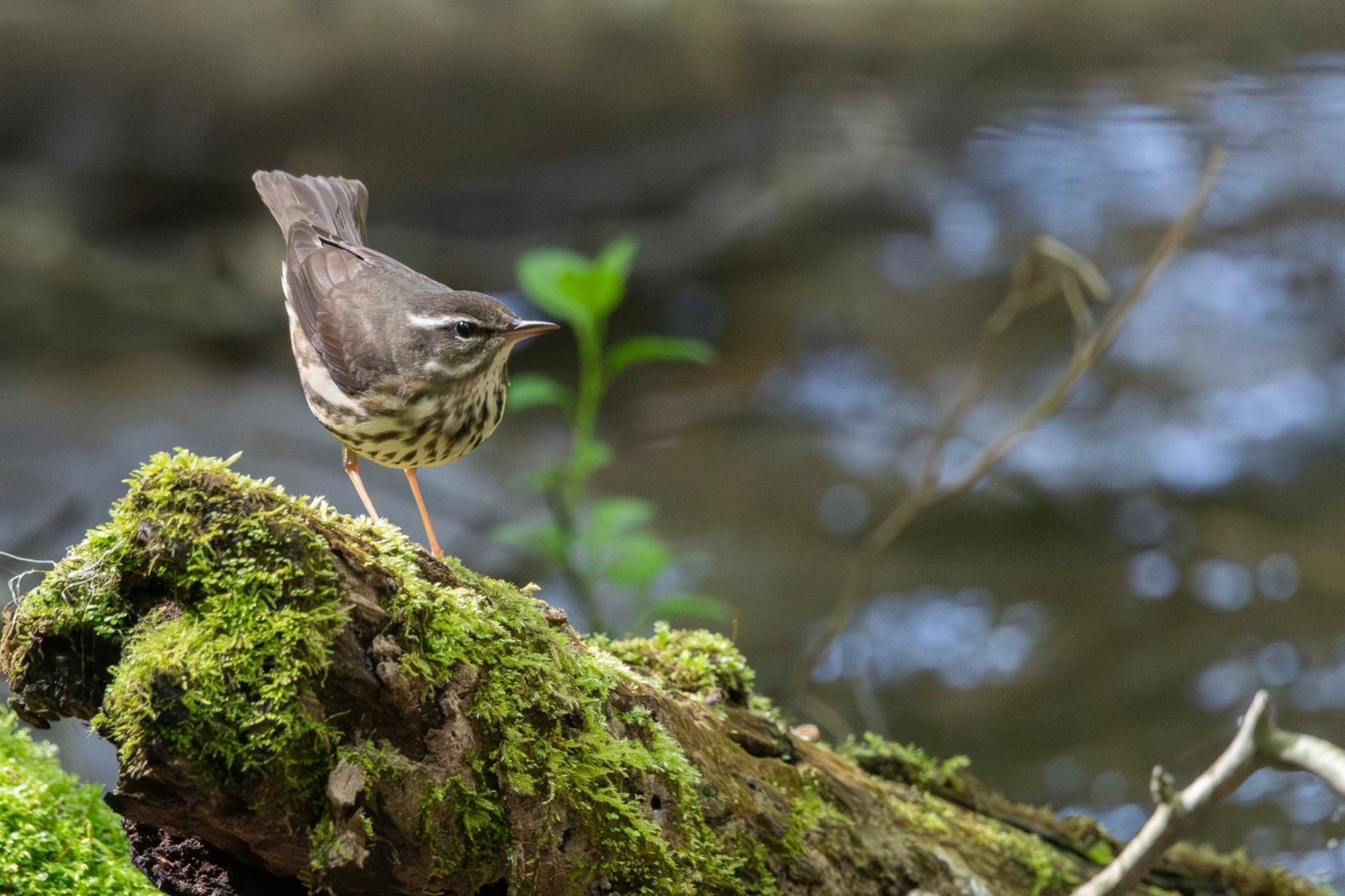
©Louisiana WaterthrushPhoto: Jack Belleghem
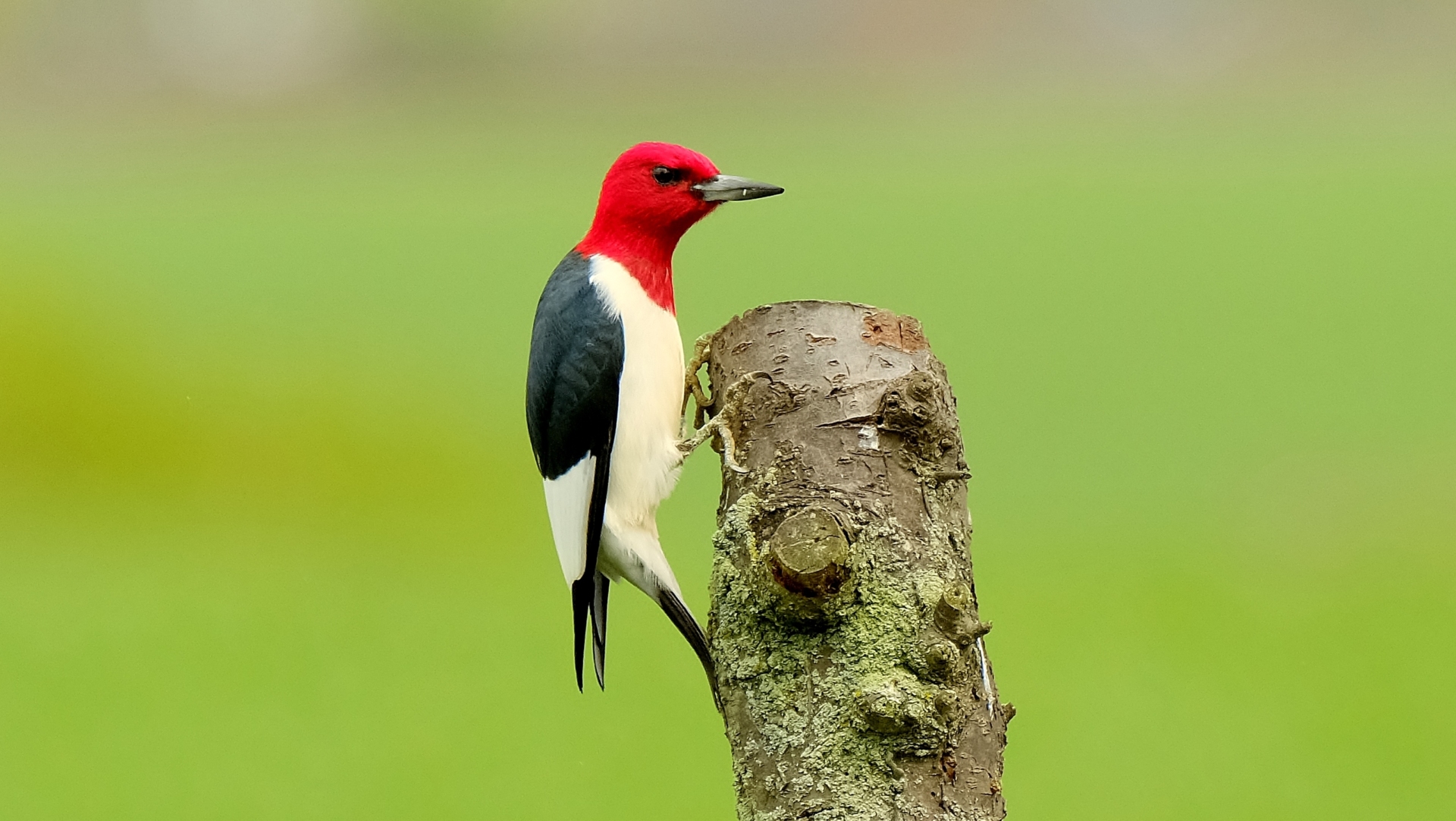
©Red-headed WoodpeckerPhoto: Robert Barnes
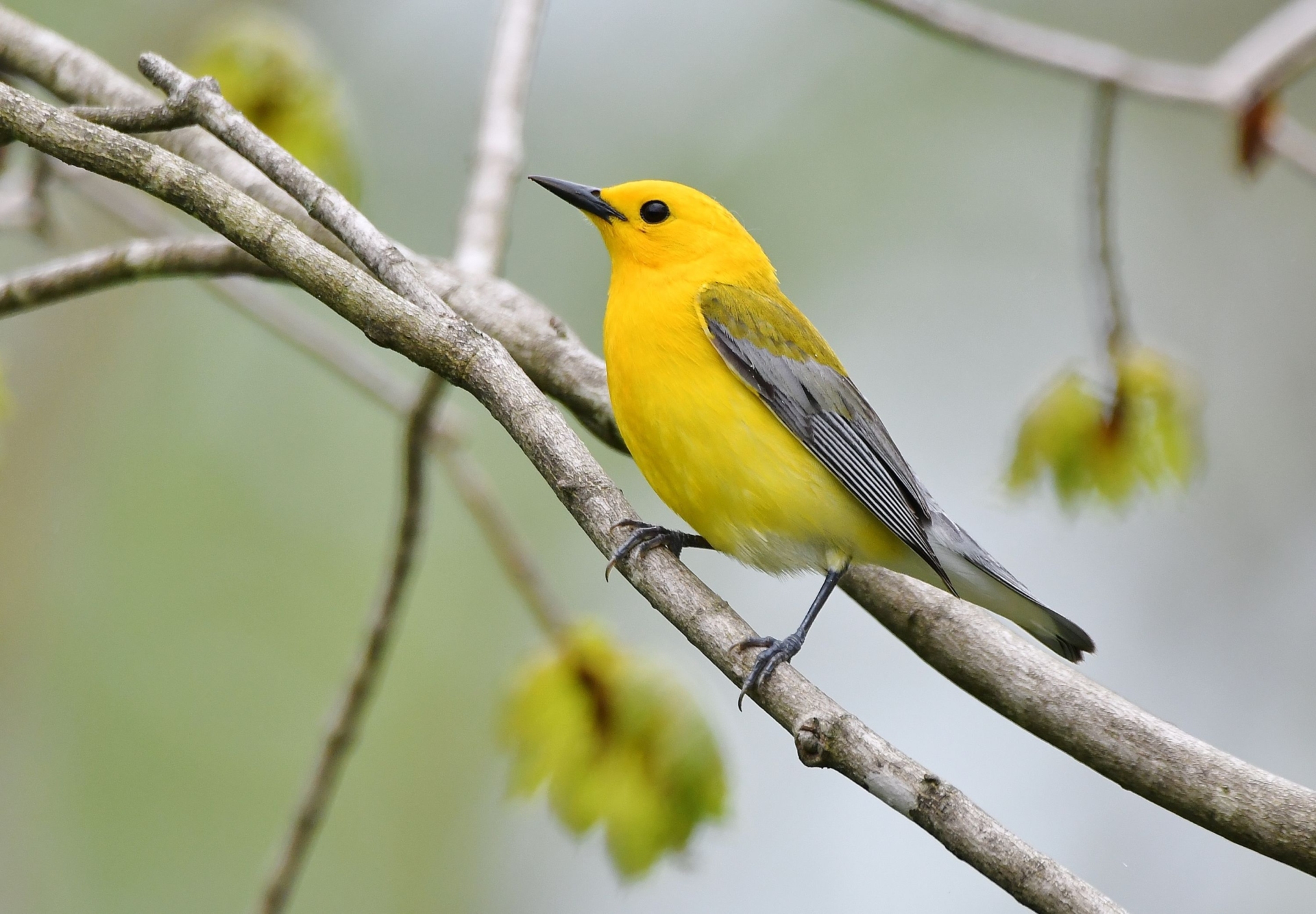
©Prothonotary WarblerPhoto: Sue Drotos
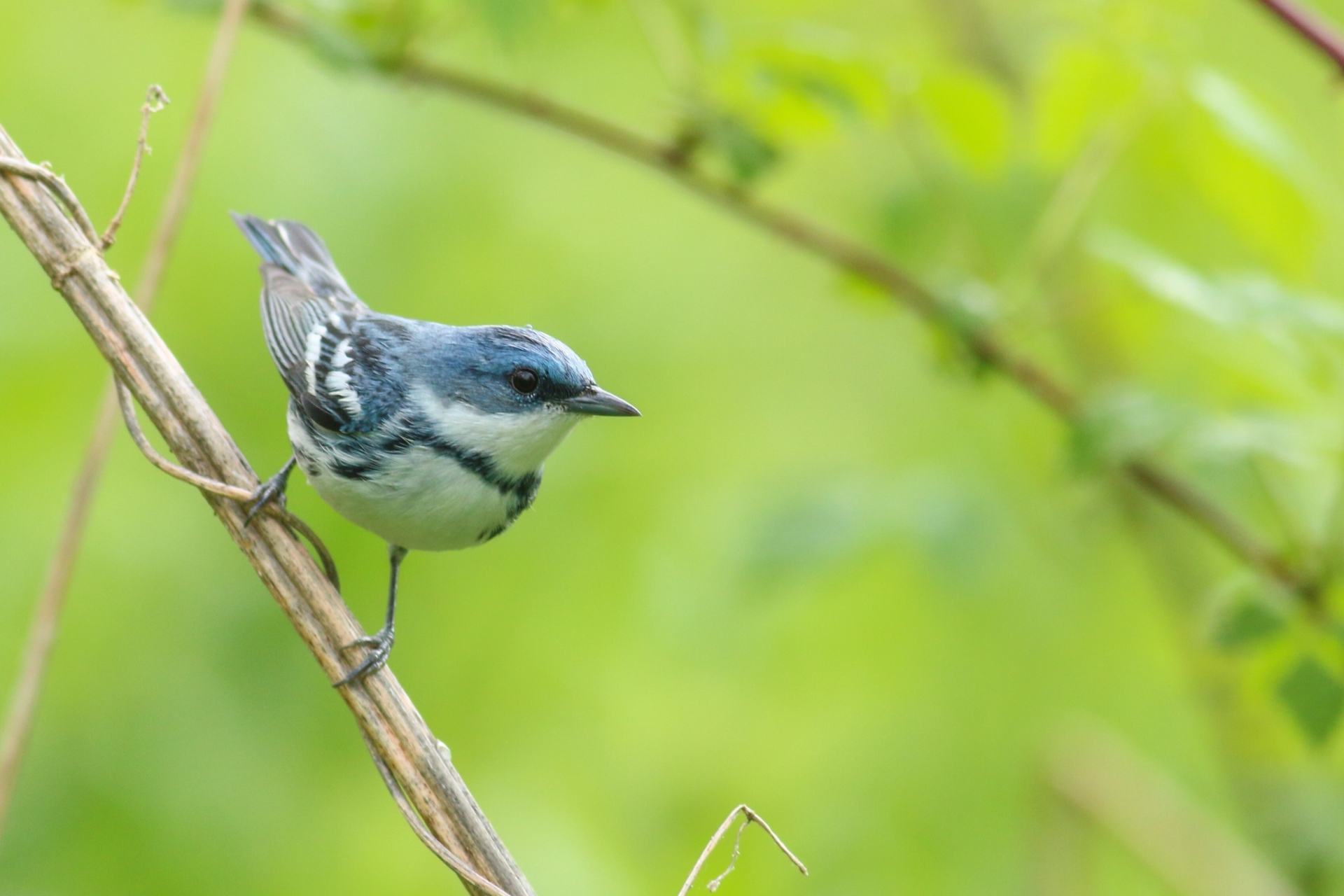
©Cerulean WarblerPhoto: Yousif Attia
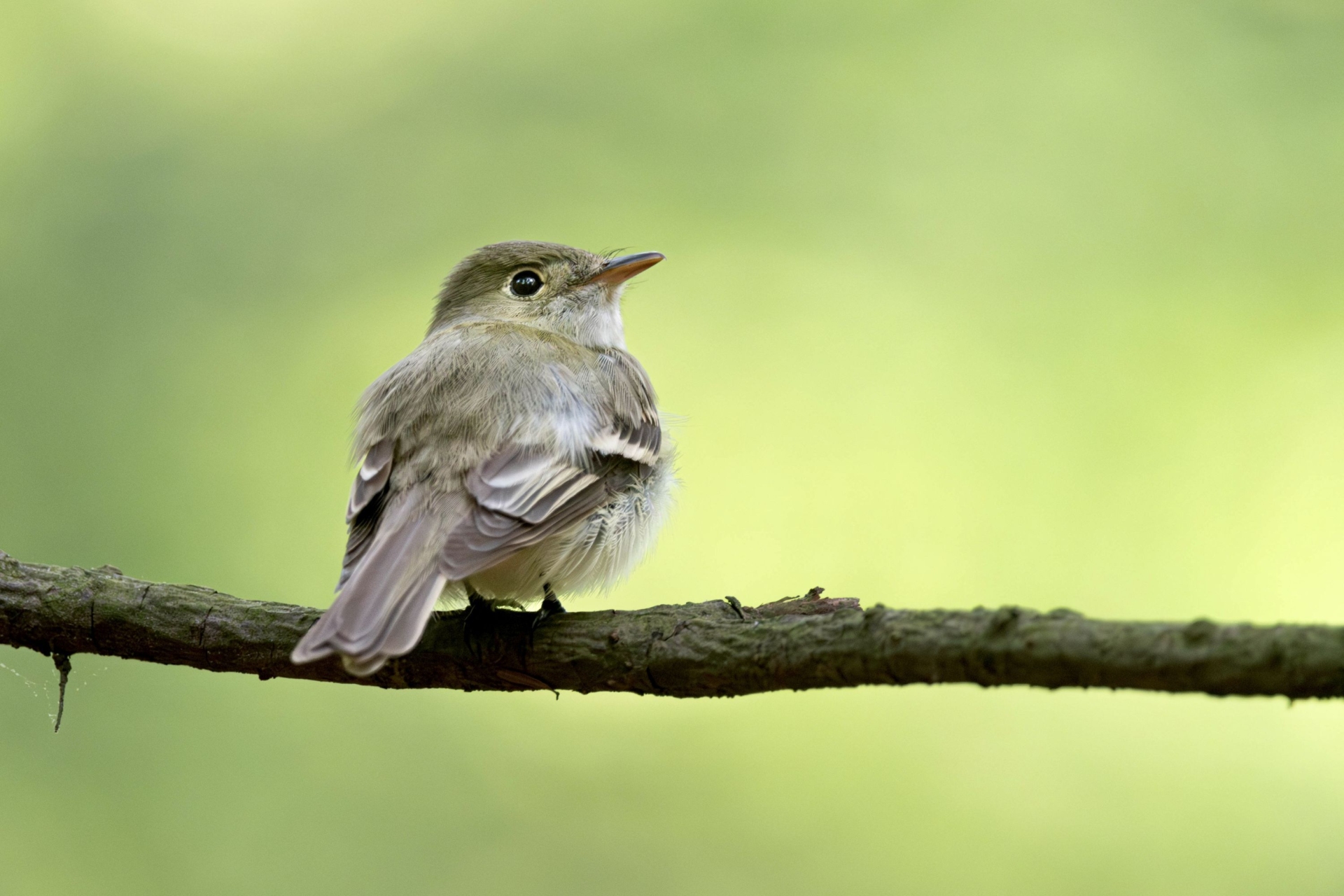
©Acadian FlycatcherPhoto: Jack Belleghem
©Louisiana WaterthrushPhoto: Jack Belleghem
©Cerulean WarblerPhoto: Yousif Attia
©Red-headed WoodpeckerPhoto: Robert Barnes
©Acadian FlycatcherPhoto: Jack Belleghem
©Prothonotary WarblerPhoto: Sue Drotos
Helpful Resources
The Invasive Species Center has a series of fantastic resources to help you identify and report and/or remove invasive plant species.
Some of the species that are having negative impacts on birds are: Beech Bark Disease, Beech Leaf Disease, Butternut Canker, Chestnut Blight, Dutch Elm Disease, Elm Zigzag Sawfly, Emerald Ash Borer, Hemlock Woolly Adelgid, Oak Wilt.
Do you have a woodlot in Ontario?
You could get a tax exemption or reduction for good stewardship or management of the forest. Visit these two resources to learn more:
Forest Bird Monitoring Program
Skilled birders with strong identification skills step into the forest twice a year to document all the birds they can see and hear.