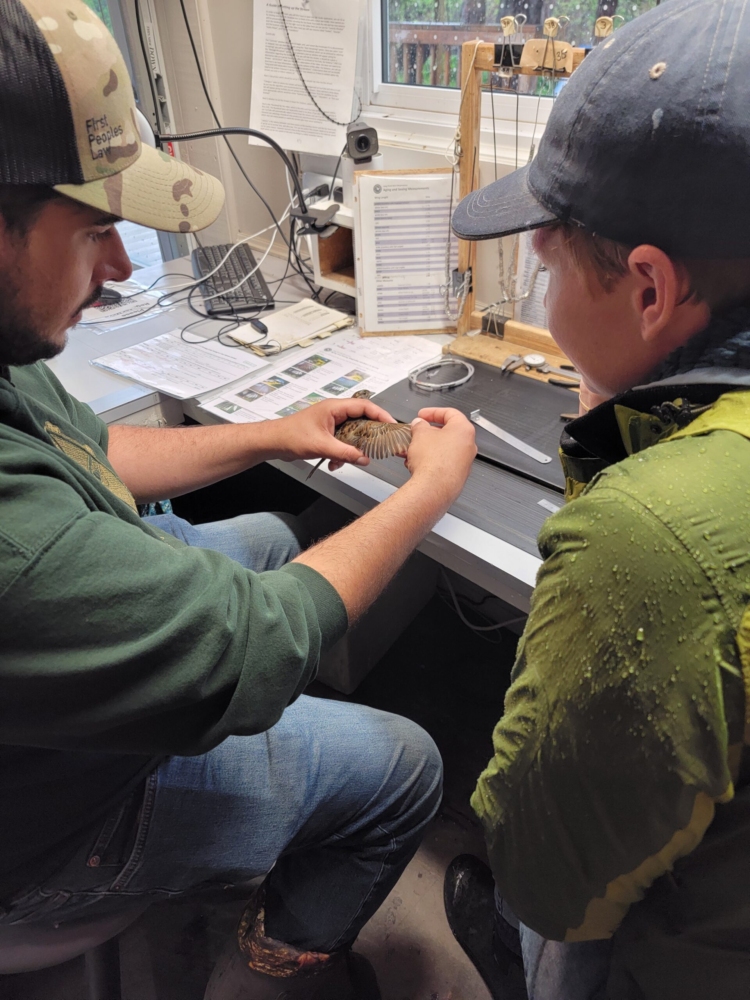
A Relationship Taking Flight: Timiskaming First Nation
Strong partnerships are at the heart of effective bird conservation, and the growing relationship between Timiskaming First Nation (TFN) and Birds Canada embodies that spirit.
Supporting Indigenous priorities for monitoring and conservation in the North.
The Boreal Forest is often called “North America’s bird nursery” due to the incredible numbers of birds (and bird species) that migrate there each summer to breed.
A key to conservation success, especially in Canada’s North, is Indigenous-led conservation. Indigenous Peoples have always cared for and lived on the land and have incredible experience and knowledge to bring to conservation efforts. And, importantly, centering Indigenous voices in land and ocean conservation discussions is a critical part of reconciliation.
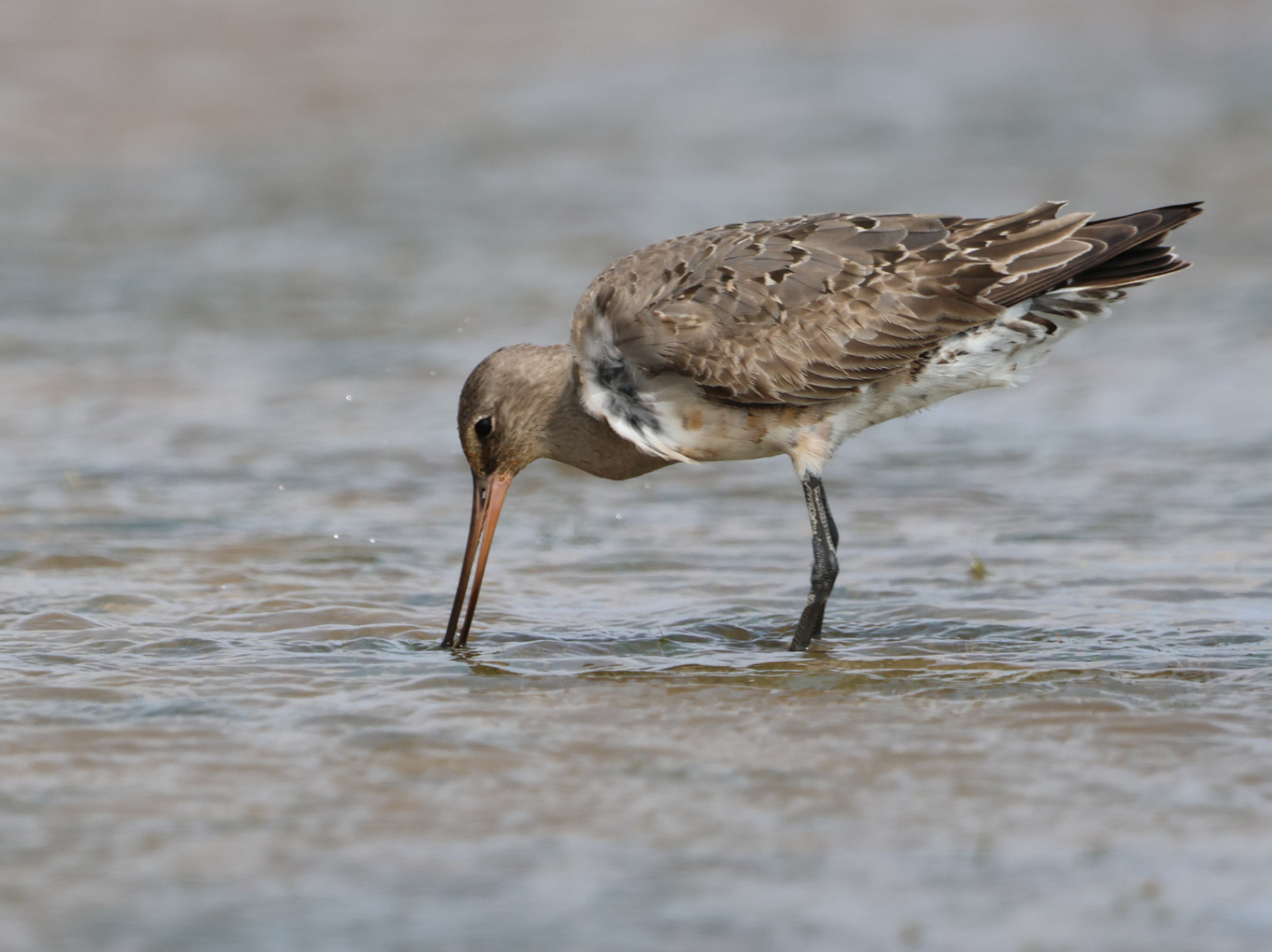
©Hudsonian GodwitPhoto: Cléa Frapin
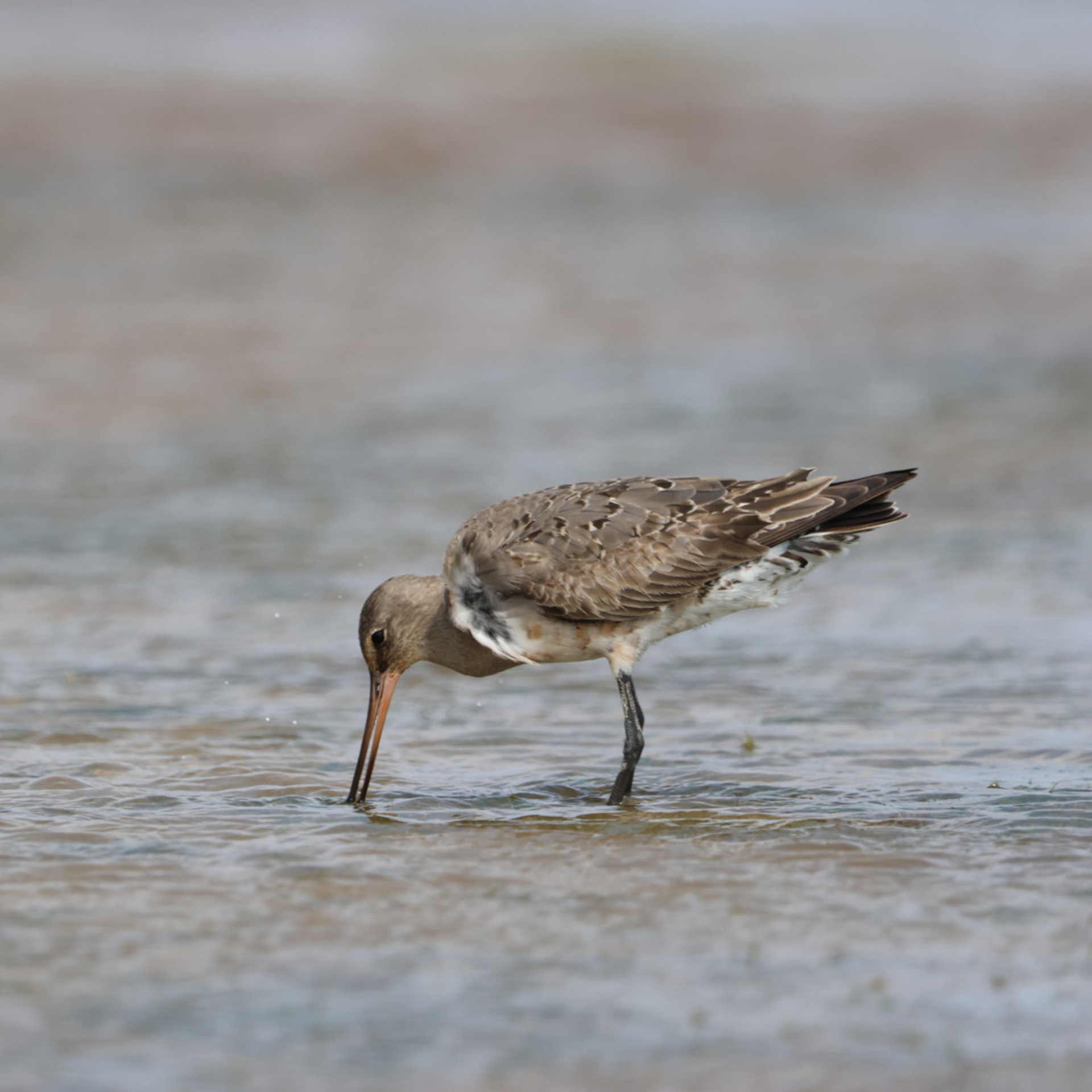
©Hudsonian GodwitPhoto: Cléa Frapin
Science in the North creates opportunities to connect with northern communities about bird monitoring and conservation projects. Using our monitoring tools, data, and expertise and working with northern Indigenous governments and communities, we seek to support habitat conservation efforts, such as Indigenous Protected and Conserved Areas and National Marine Conservation Areas. Our current focus is on Canada’s central and eastern Boreal Forest and sub-Arctic region, including adjacent marine regions like James and Hudson bays.
This region hosts incredible ecological diversity, is important for carbon storage globally, contains major freshwater areas feeding into marine ecosystems, and faces growing threats from habitat loss, development, and climate change. Now is the time to work together to protect these globally important landscapes for the birds and communities that depend on them.
Northern residents speak about changes to species movements and distributions like Snow Goose migration routes shifting and Willow Ptarmigan not being found in the same areas, changes that can now be tracked by the Motus Wildlife Tracking System. Through expanded participation in Science in the North, more data from volunteer programs like breeding bird atlases, technologies such as Autonomous Recording Units (ARUs), and the vast Traditional Ecological Knowledge that Indigenous collaborators bring, can contribute valuable information toward on-the-ground conservation.
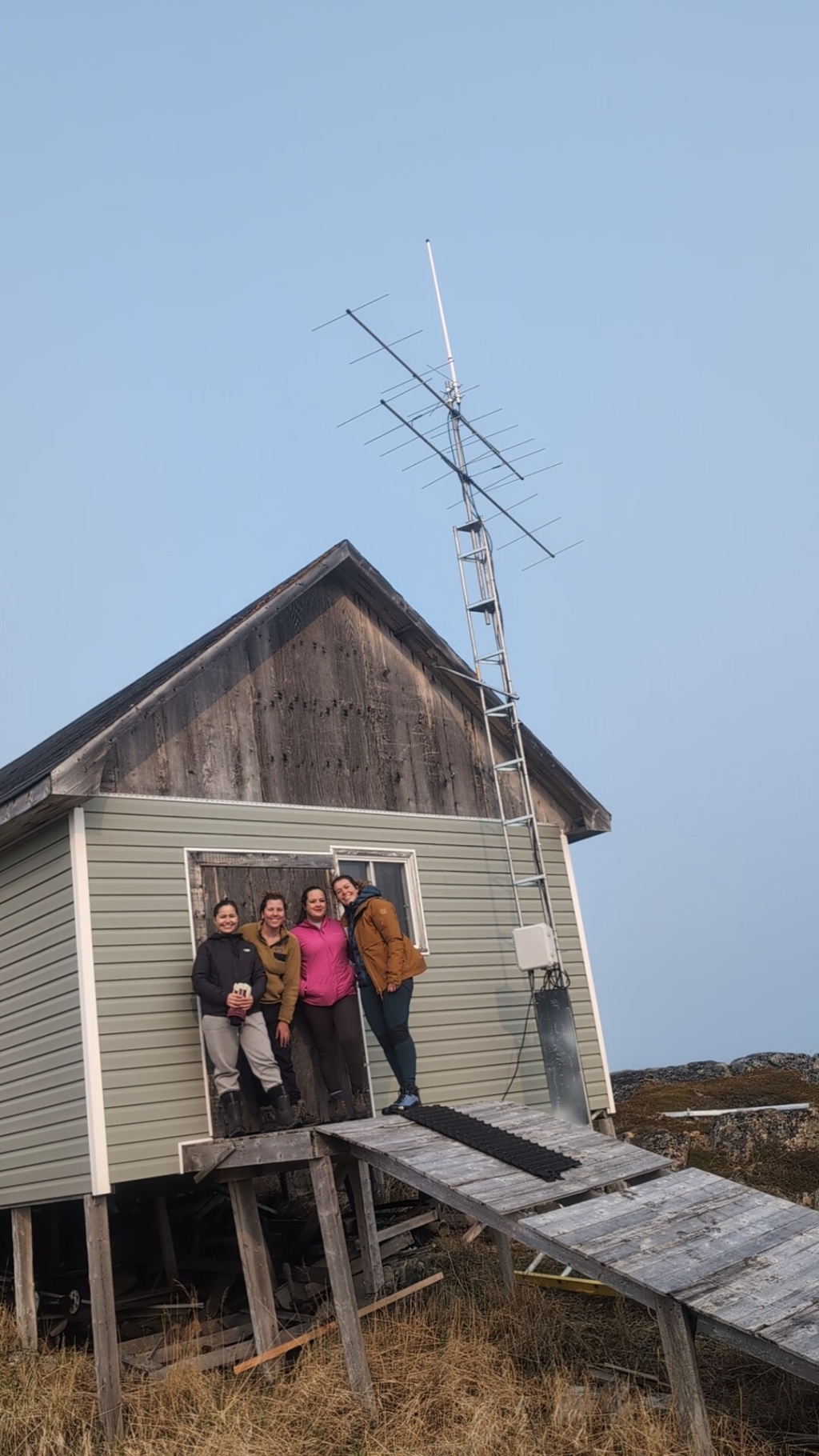
©St. Lewis, NLPhoto: Cléa Frapin
The Boreal Forest, the Arctic tundra found above the treeline, and the bays, coastlines, and oceans throughout the North are some of the most productive, continuous, and least human-influenced regions left in the world. Beyond the incredible biodiversity that these regions support, the climate benefits of northern ecosystems are huge.
The Boreal Forest absorbs and stores incredible amounts of carbon, helping to slow atmospheric warming. Additionally, the vast ice and snow cover of the Arctic and Boreal regions help to reflect heat and reduce warming.
Given the astounding biodiversity and global climate benefits of the North, Canada has a large responsibility to conserve and support these regions.
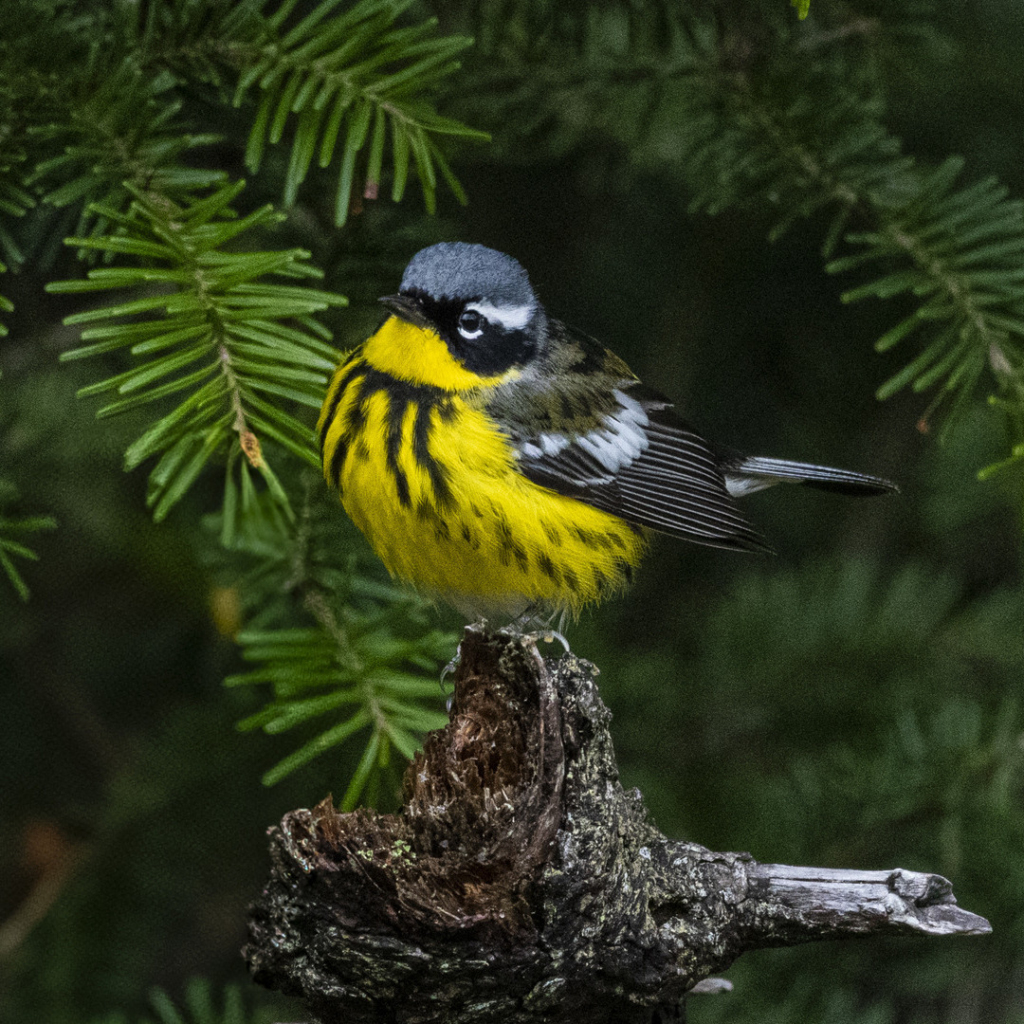
©Magnolia WarblerPhoto: David Lilly
Contact Lucas to build new collaborations, learn about how we work with Indigenous Peoples, or understand how Birds Canada could support your Indigenous community, government, or group.

Contact Graham with other questions about the program, NGO and government collaborations, or support for your monitoring and conservation projects.

Strong partnerships are at the heart of effective bird conservation, and the growing relationship between Timiskaming First Nation (TFN) and Birds Canada embodies that spirit.
Birds Canada’s staff and volunteers are hard at work organizing the deployment and retrieval of new ARUs with partners and collaborators across Canada, in known and remote locations, to reveal the secrets of avian life.
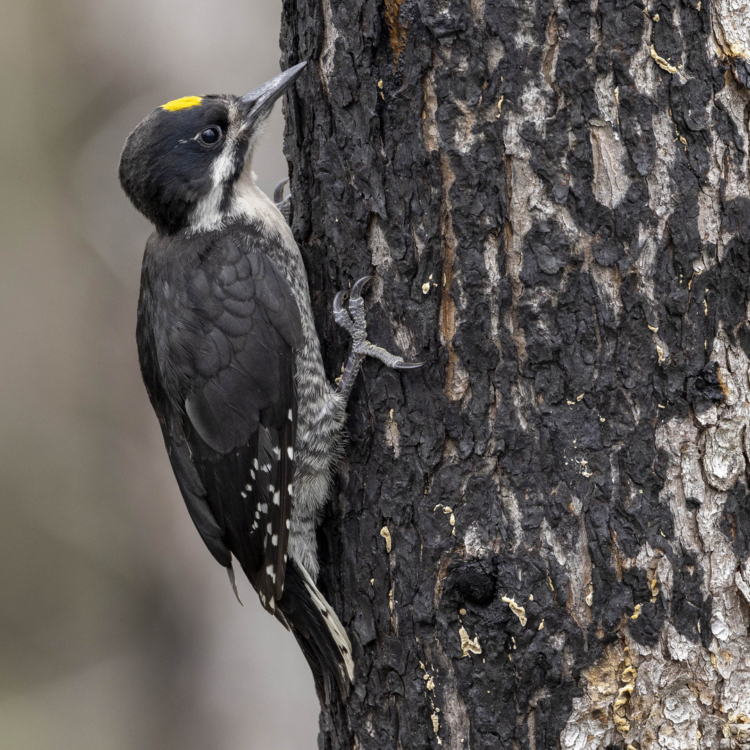
How boreal birds respond to forest fires