Join This Season
SwiftWatch
May - September
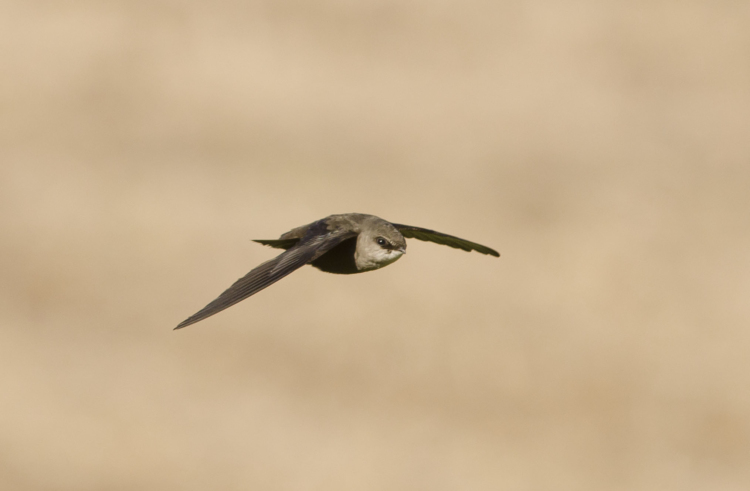
A flexible solo or group activity that can take place any time from dawn till dusk. Counting Chimney Swifts is quick to learn and the birds are delightful to observe.
All skill levels can help monitor seabird mortality along coastlines – essential for early detection of oil spills and environmental change.
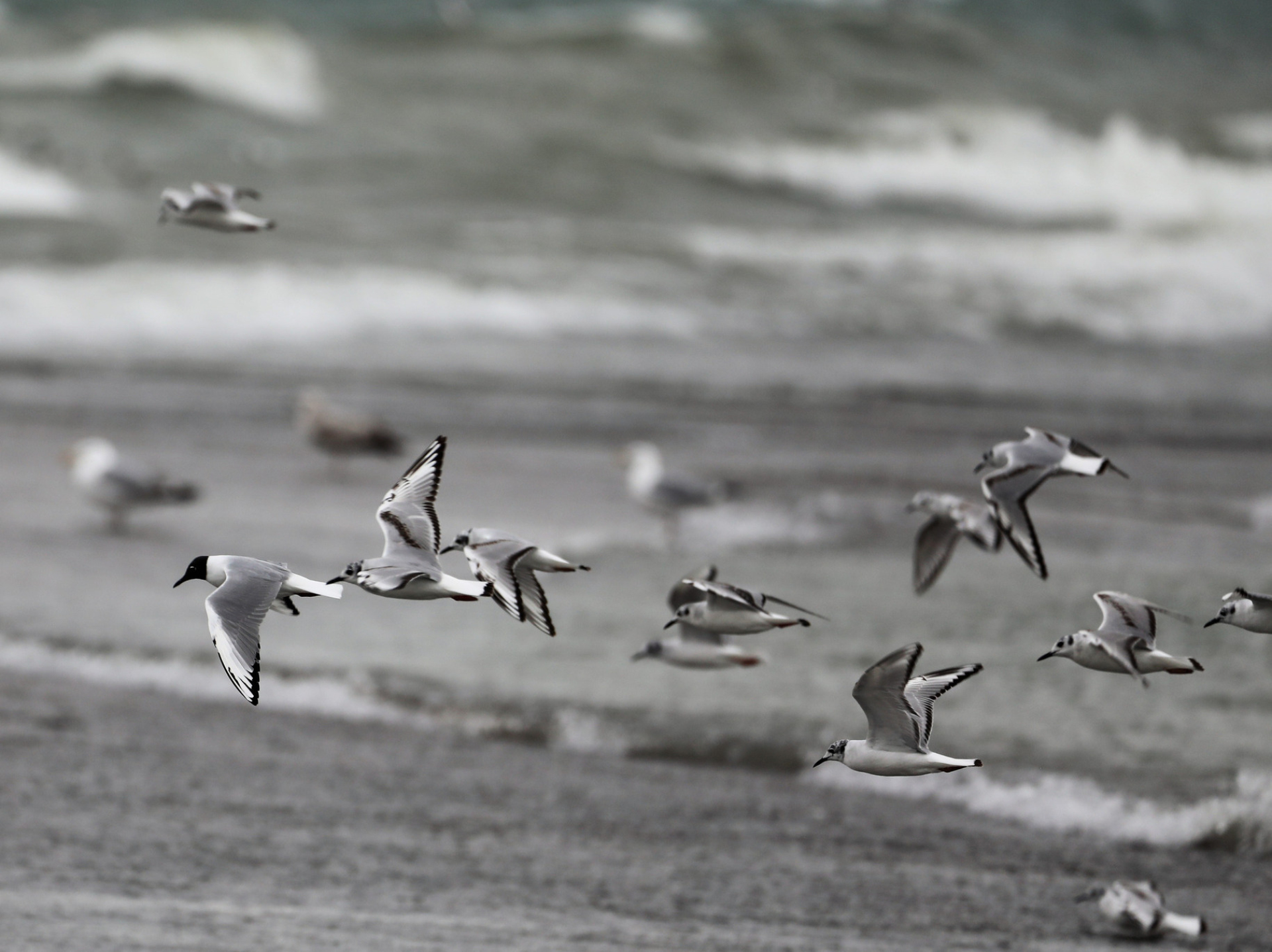
©Bonaparte's GullsPhoto: Ana Gomez
©Bonaparte's GullsPhoto: Ana Gomez
A walk along the coastline can contribute to meaningful conservation. By taking part in a Beached Bird Survey, you contribute valuable information that helps researchers track waterbird mortality, detect environmental changes, and support conservation action along our coasts.
Coastal waterbirds and seabirds are a vital part of healthy marine ecosystems. From shorelines to open oceans, they help keep nature in balance and connect ecosystems across vast distances. Because they are sensitive to changes in their environment, including pollutants, habitat loss, and impacts of climate change, they play an important role in helping us better understand and protect the habitats they depend on.
Each month, as a volunteer, you head to a local coastline beach to look for bird carcasses. While the focus is sensitive, the data collected during these surveys provides crucial baseline information on the causes and rates of seabird mortality. It can also serve as an early detection system for changes in ocean conditions or events such as oil spills or fishing bycatch - informing conservation action. No special skills are required to participate, and it’s suitable for all ages. All the survey equipment and data forms are provided.
Ready to turn your next beach visit into meaningful conservation action? Head to NatureCounts to learn more about adopting a route. This is also where you’ll find survey resources and data entry forms. Contact the local coordinator for more information.
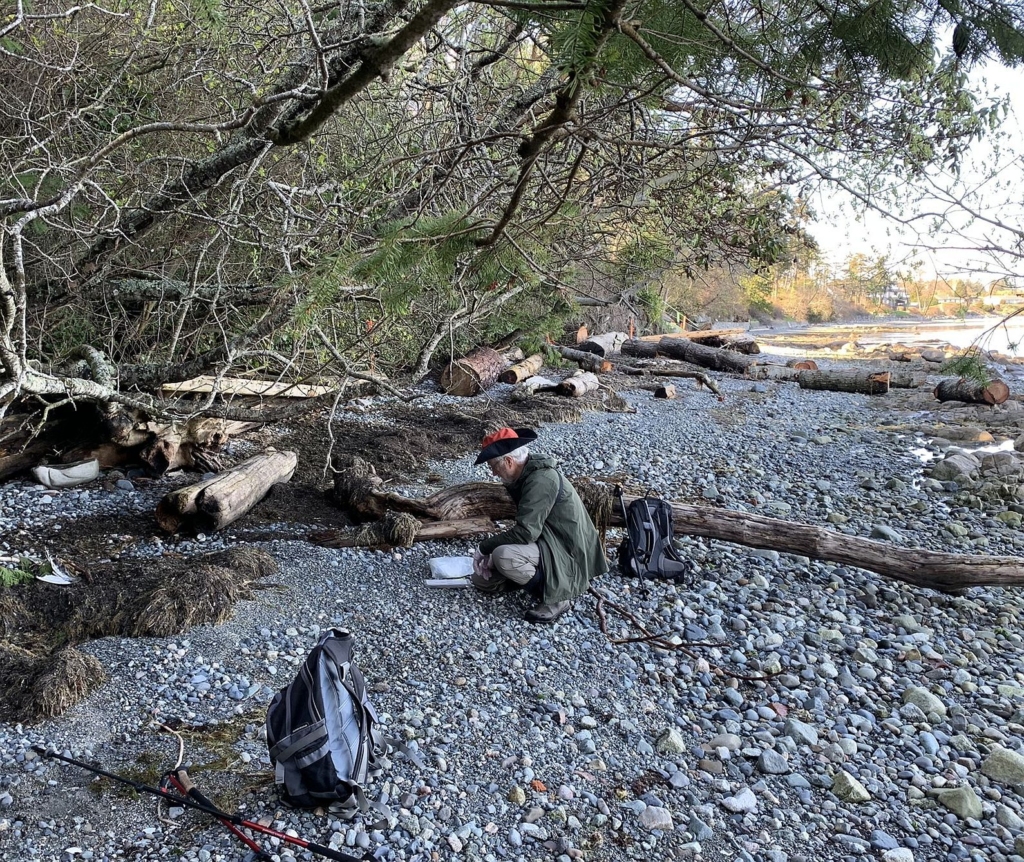
©British ColumbiaPhoto: Michael Rogers
Similar to British Columbia, and in partnership with Environment and Climate Change Canada, volunteers across Québec, Newfoundland, Labrador, and the Maritime Provinces have helped monitor shorelines for beached birds. These surveys are not currently active, however the data is available through NatureCounts.
If you find:
Please report to Canada’s Environmental Emergency Hotline at 1-800-663-3456. This number is available 24 hours a day. Do not hesitate to call this number in any of the above situations. If you are a volunteer, be sure to report your findings on your Beached Bird Survey data sheets as well.
If you find birds that are alive and injured or in distress, contact your local wildlife rehabilitation centre. Please do not handle them unless you have specific wildlife rescue training.
If you find dead marine mammals, especially cetaceans (dolphins, porpoises, or orcas) on the beach, please contact Fisheries and Oceans Canada on their 24-hour toll-free line: 1-800-465-4336. If you can take photos and provide additional location and observation information, please email marinemammals@dfo-mpo.gc.ca with the photos and information.
Ready to turn your next beach visit into meaningful conservation action? Head to NatureCounts to learn more about adopting a route.
Sign up for Birds Canada’s newsletter to receive the latest stories, science, conservation news, and opportunities to get involved.
A flexible solo or group activity that can take place any time from dawn till dusk. Counting Chimney Swifts is quick to learn and the birds are delightful to observe.
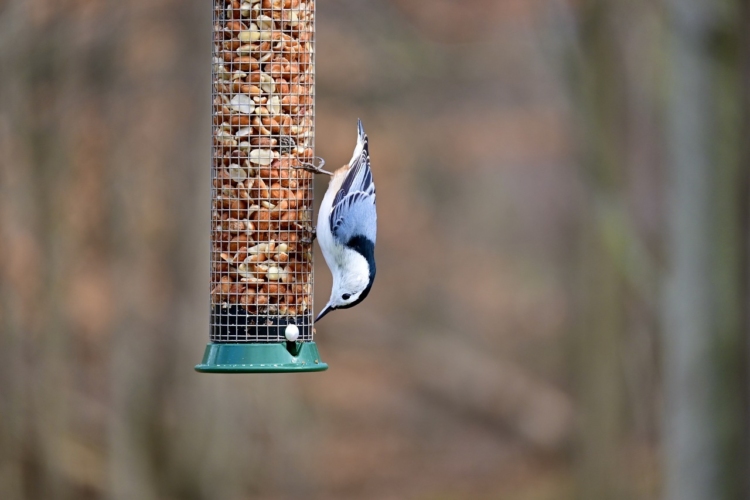
Counting birds at your feeder this winter is an easy, flexible opportunity - open to all skill levels and a great way to learn bird identification.
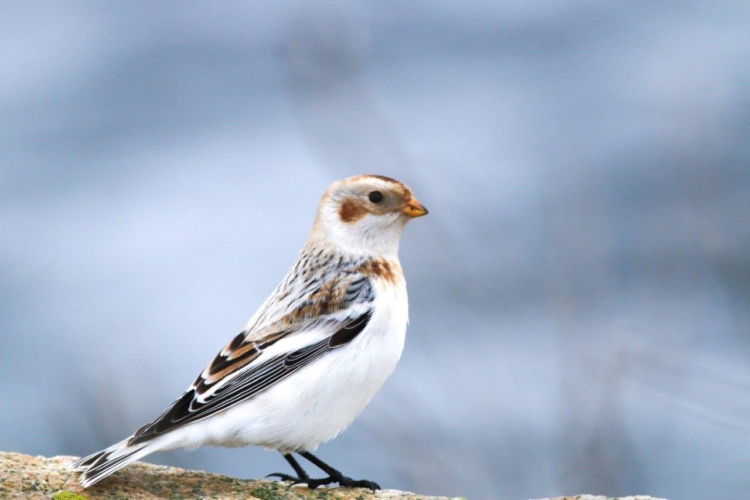
A long-running favourite, the Christmas Bird Count welcomes all skill levels and is a great way to meet birders, build skills, and embrace winter.
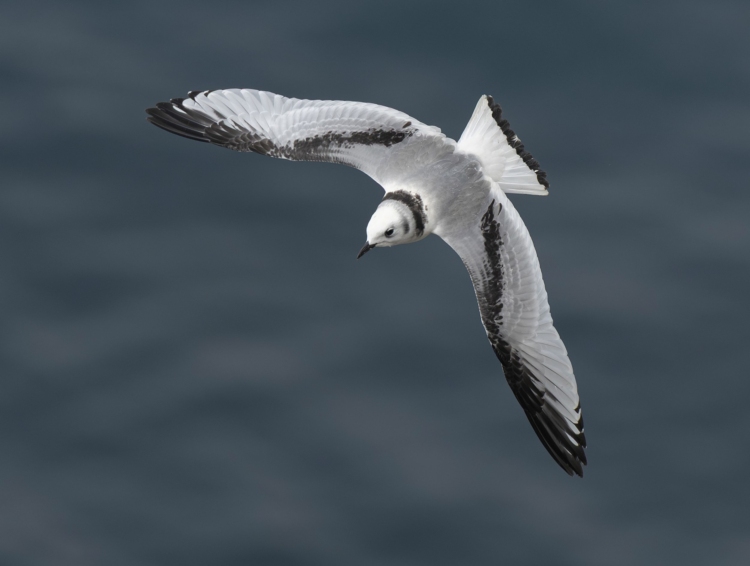
With specialized waterbird and raptor ID skills, help monitor a stretch of coastline once a month from September to April.
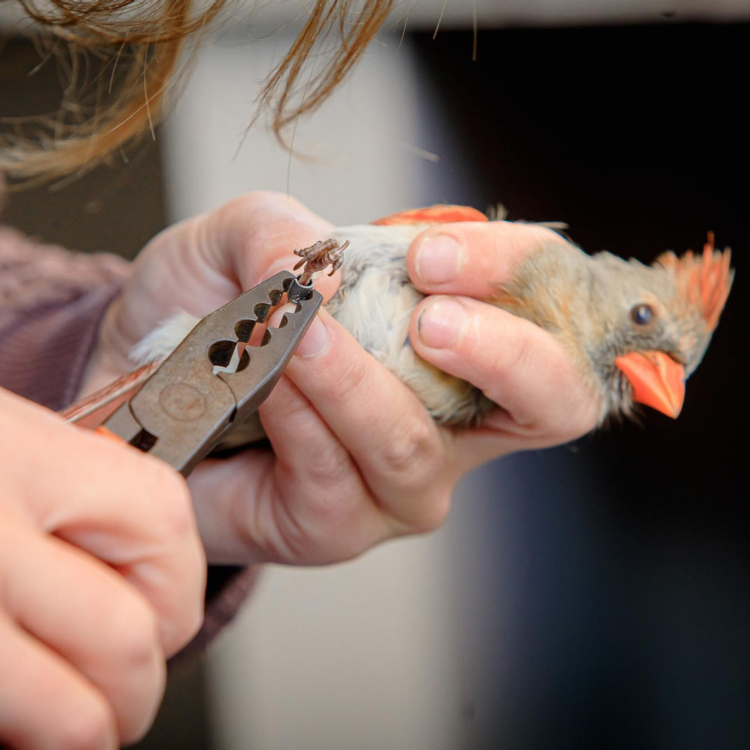
Located in the heart of an important migration corridor in Long Point, Ontario, LPBO brings people together through research, education, and training that deepens our understanding of birds, conservation, and the natural world. From migration monitoring to public engagement, LPBO offers volunteer opportunities to build skills, gain hands-on experience, and contribute to meaningful conservation work. More than a volunteer experience, this is a chance to live and learn at the heart of migration and become part of a community working together for birds.

Join the world in connecting to birds February 12–15, 2027.