Join This Season
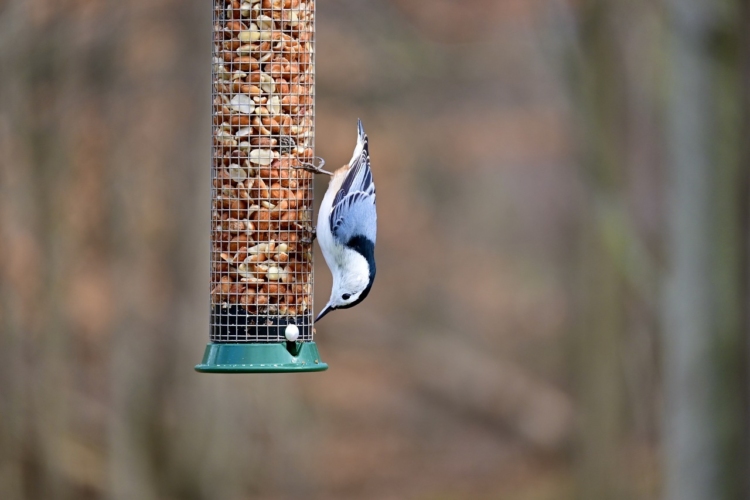
Project FeederWatch
November 1 - April 30
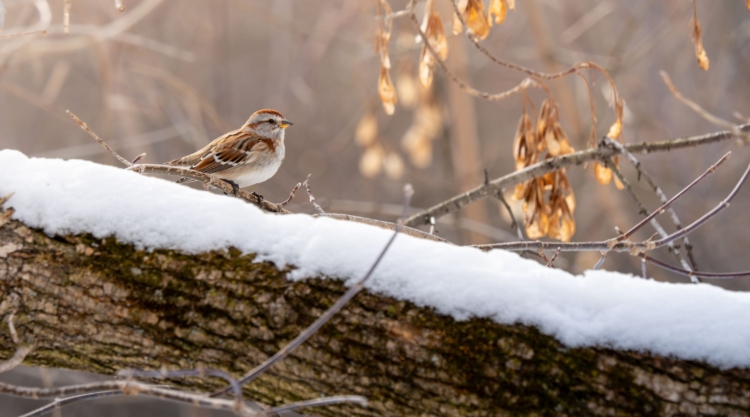
Counting birds at your feeder this winter is an easy, flexible opportunity - open to all skill levels and a great way to learn bird identification.
A flexible solo or group activity that can take place any time from dawn till dusk. Counting Chimney Swifts is quick to learn and the birds are delightful to observe.
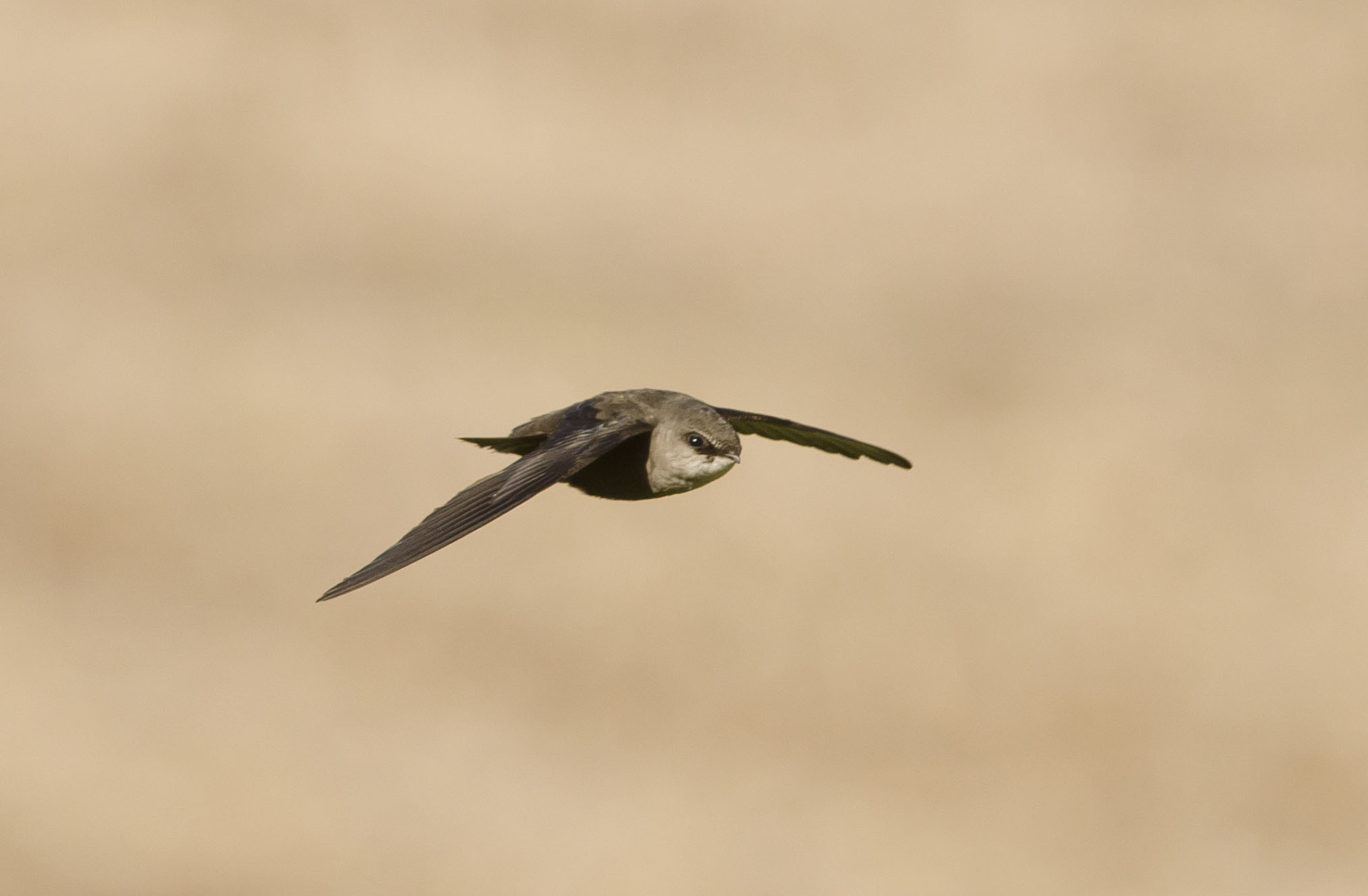
©Chimney SwiftPhoto: Ron d'Entremont
©Chimney SwiftPhoto: Ron d'Entremont
A swirling flock of birds spiraling into a chimney at dusk is a remarkable event that Chimney Swift volunteers try to witness throughout eastern Canada. With a 90% decline in their population, it is essential that we know which chimneys these birds are nesting and roosting in, so that we can take action to preserve their unique urban habitats.
SwiftWatch is a beginner-friendly volunteer opportunity focused on helping Chimney Swifts. By taking part, you can contribute to monitoring, conservation and stewardship by counting roosting swifts, monitoring nesting activity, and supporting the care of the human-made structures (e.g. chimneys, wooden barns) that this species relies on.
There are two main opportunities for SwiftWatchers: Roost Surveys or Nesting Surveys. You’re welcome to do both! Although participation is flexible, it’s ideal if you can survey on 2 separate days if swifts are observed using a site, to confirm occupancy.
Volunteers monitor roost sites, the chimneys and other structures where Chimney Swifts gather to rest overnight during migration and the breeding season. As a volunteer, you conduct roost surveys from 30–45 minutes before sunset to 30–45 minutes after sunset, between May and September.
Volunteers monitor swifts as they flit to and from their nest structures during the day (only one nesting pair uses a structure at a time!). Daytime nesting surveys are conducted from June to early August.
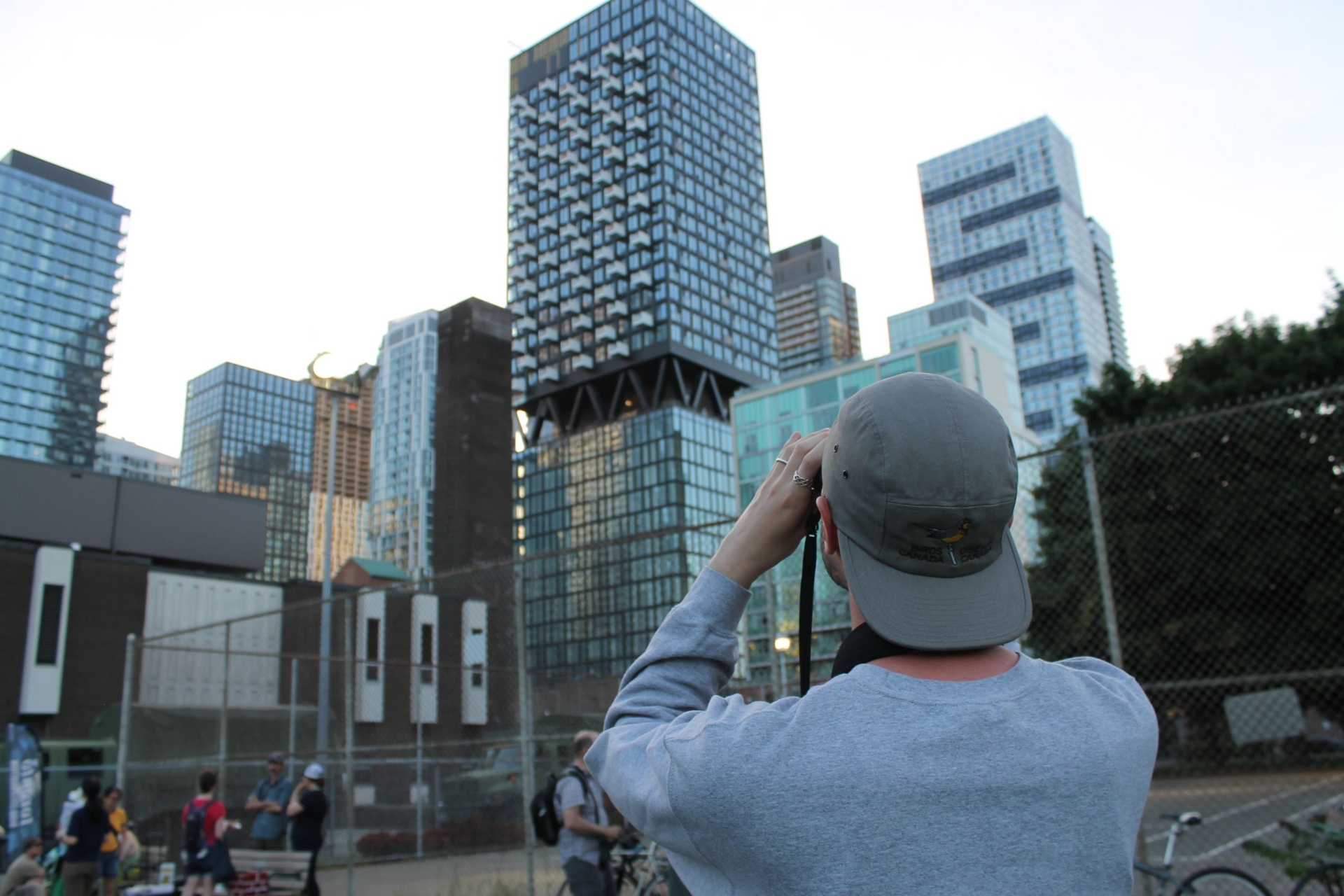
©Toronto SwiftWatchPhoto: Olivia Carvalho
Historically, Chimney Swifts used large hollow trees and caves for nesting and roosting. As Europeans settled in North America, these habitats became scarce. Chimney Swifts adapted and began making their homes in chimneys, becoming an important member of our urban communities.
Chimney Swifts are once again facing complex challenges. Their Canadian population has declined by almost 90% outside of towns and cities since 1970. Their habitat is being lost as buildings are modernized and chimneys are capped, steel-lined, or torn down. Other factors, such as severe weather events and changes in insect abundance, are likely also affecting swifts. By working together to monitor populations and protect key roosting and nesting sites, we can help support the future of Chimney Swifts across Canada.
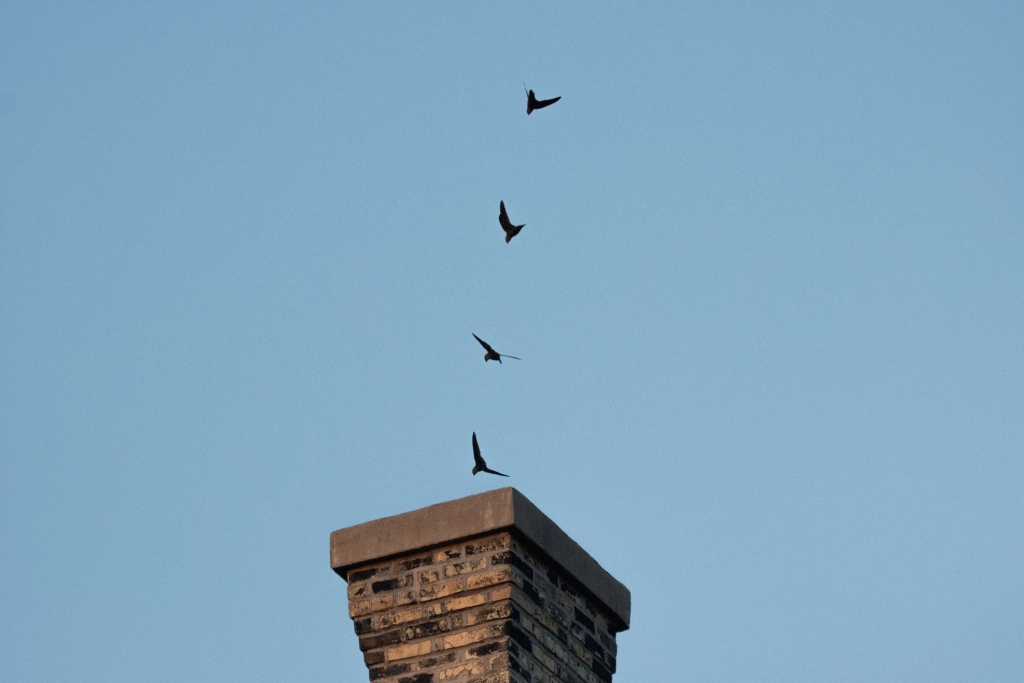
©Chimney SwiftsPhoto: Gabriel Evans Cook
The National Chimney Swift Roost Survey is a coordinated effort across the species’ Canadian range that uses a standardized protocol to count swifts at known roosts on a series of fixed dates in late May and early June. This massive, simultaneous effort gives us a rough estimate of the minimum Canadian population of Chimney Swifts across the provinces where it breeds: Saskatchewan, Manitoba, Ontario, Quebec, New Brunswick, and Nova Scotia.
Take a moment during this survey to feel connected to hundreds of others who are monitoring “alongside” you!
Sign up for Birds Canada’s newsletter to receive the latest stories, science, conservation news, and opportunities to get involved.
Counting birds at your feeder this winter is an easy, flexible opportunity - open to all skill levels and a great way to learn bird identification.
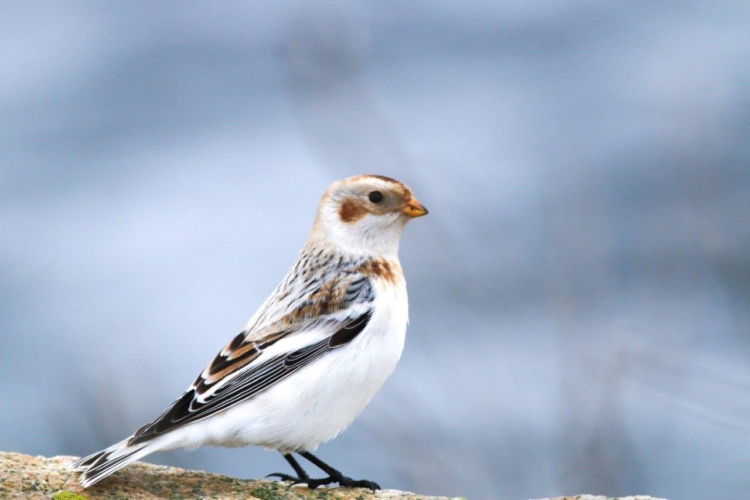
A long-running favourite, the Christmas Bird Count welcomes all skill levels and is a great way to meet birders, build skills, and embrace winter.
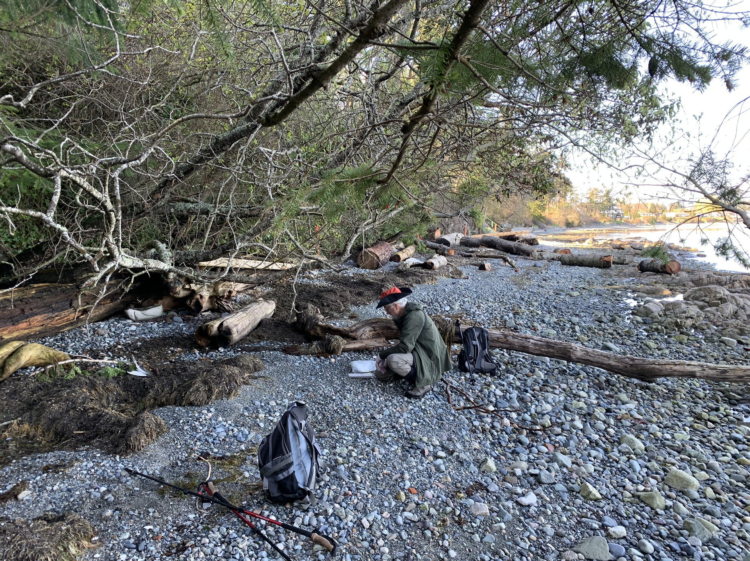
All skill levels can help monitor seabird mortality along coastlines – essential for early detection of oil spills and environmental change.
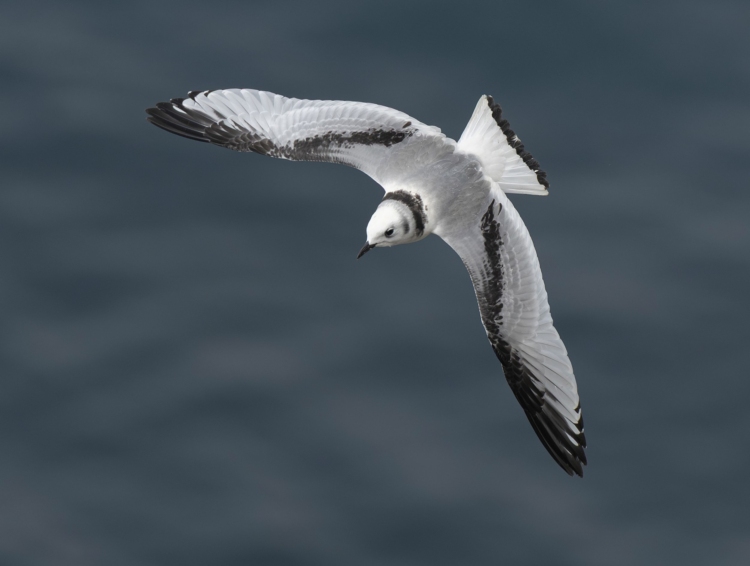
With specialized waterbird and raptor ID skills, help monitor a stretch of coastline once a month from September to April.
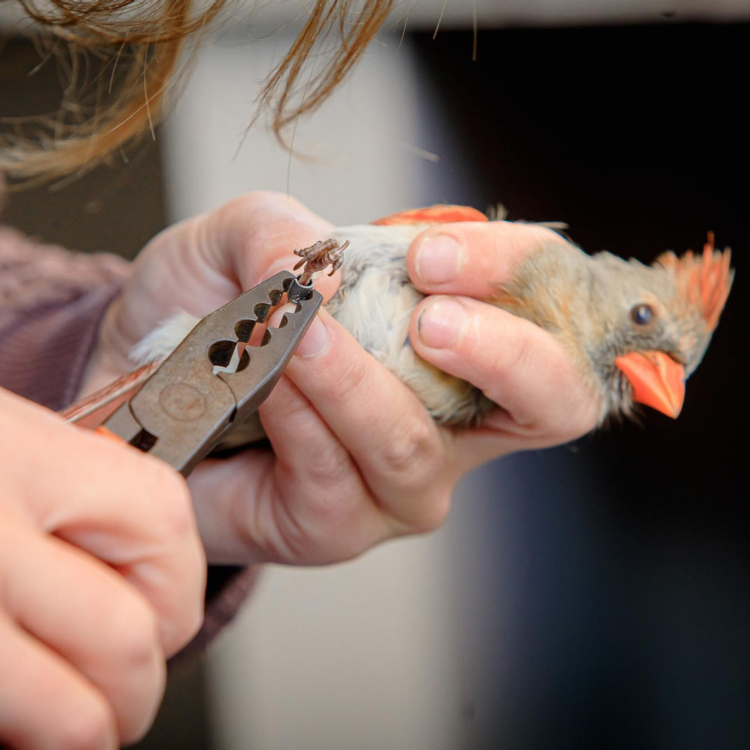
Located in the heart of an important migration corridor in Long Point, Ontario, LPBO brings people together through research, education, and training that deepens our understanding of birds, conservation, and the natural world. From migration monitoring to public engagement, LPBO offers volunteer opportunities to build skills, gain hands-on experience, and contribute to meaningful conservation work. More than a volunteer experience, this is a chance to live and learn at the heart of migration and become part of a community working together for birds.
Join the world in connecting to birds February 12–15, 2027.