Join This Season
SwiftWatch
May - September
A flexible solo or group activity that can take place any time from dawn till dusk. Counting Chimney Swifts is quick to learn and the birds are delightful to observe.
Anyone can help these insect-loving acrobats by restoring habitat, supporting insect populations, and joining bird monitoring efforts.
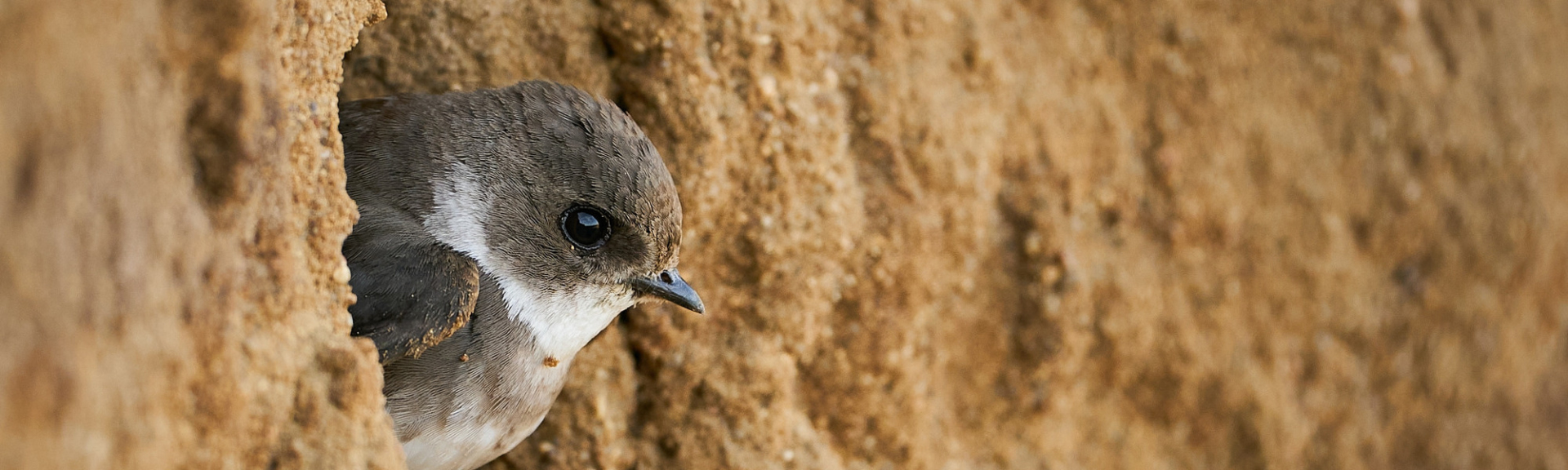
©Bank Swallow
©Bank Swallow
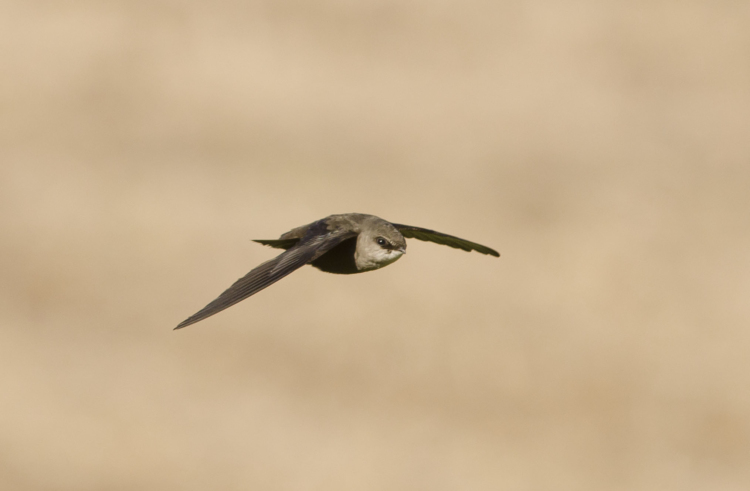
Tunnelling into the sides of sand banks and dipping and diving through the air to catch insects, Banks Swallows are a treat to observe!
The more we understand Bank Swallows, the better we can support them. Volunteers help monitor breeding colonies, whether that means hopping in a kayak or taking a stroll along the beach. With binoculars and a clipboard in hand, you can make a real difference, no experience needed.
We are seeing fewer Bank Swallows than ever before, with a 90% decline in their population over the last fifty years due to habitat loss and a decline in insect populations.
Join a monitoring route in Atlantic Canada, or explore this page to learn more.
Our staff conducts burrow count surveys along the north shore of Lake Erie in Ontario, which hosts one of the largest breeding concentrations of Bank Swallows in Canada. We also collaborate with various partners to monitor local and migratory Bank Swallow movements, build relationships with land managers to steward their properties for the benefit of Bank Swallows, support tangible on-the-ground shoreline restoration projects, and develop research products to support conservation initiatives. *Not currently accepting volunteers
By monitoring Bank Swallow breeding populations and examining the extent and quality of their nesting, foraging and roosting habitats, you can play a direct role in supporting the recovery and conservation of this species in Atlantic Canada. Through your participation with Birds Canada and partners in the Atlantic Bank Swallow Working Group, you’ll help address important knowledge gaps while contributing to nature-based stewardship approaches that support Bank Swallows and the naturally eroding landscapes they rely on.
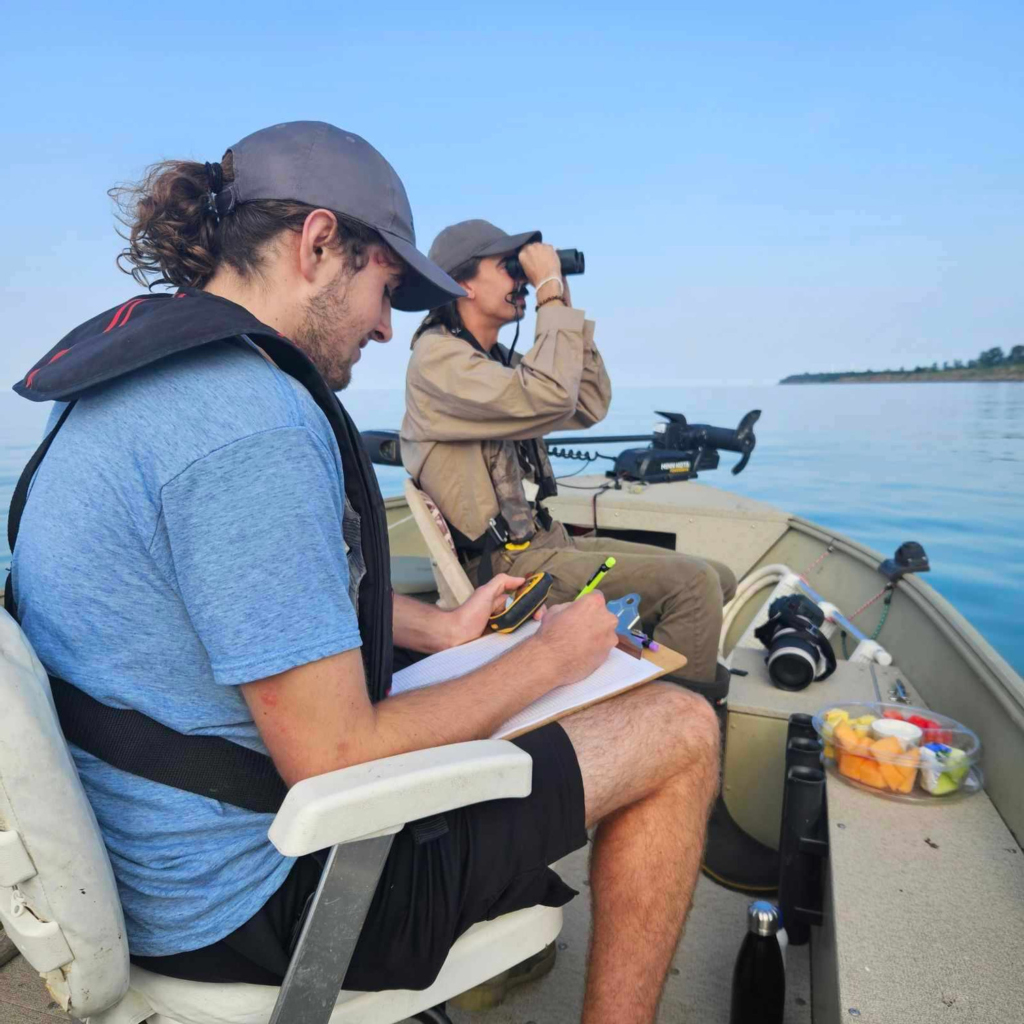
Photo: Emile Vandommele
Bank Swallows have dark brown upper parts and white underparts with a large dark brown band across the upper chest. Bank Swallows are aerial insectivores (they eat insects while flying) that nest in colonies along steep eroding sand banks of lakes, rivers, or coastal habitats. They also utilize human-made habitats such as sand pits and quarries. Additionally, Bank Swallows forage and roost in wetlands.
Bank Swallows play an important role in natural and agricultural environments, helping to keep insect populations in balance while supporting healthier ecosystems. In Canada, Bank Swallows are listed as Threatened under the Species at Risk Act due to multiple pressures leading to their decline of approximately 90% since the 1970s. These pressures include: the widespread use of pesticides limiting insect abundance; loss of foraging, roosting and breeding habitat; and severe weather (climate change) causing an increase in erosion of sand banks. We are working together to identify these pressures and recommend beneficial actions to help conserve Bank Swallow populations, so you can help them wherever you are.
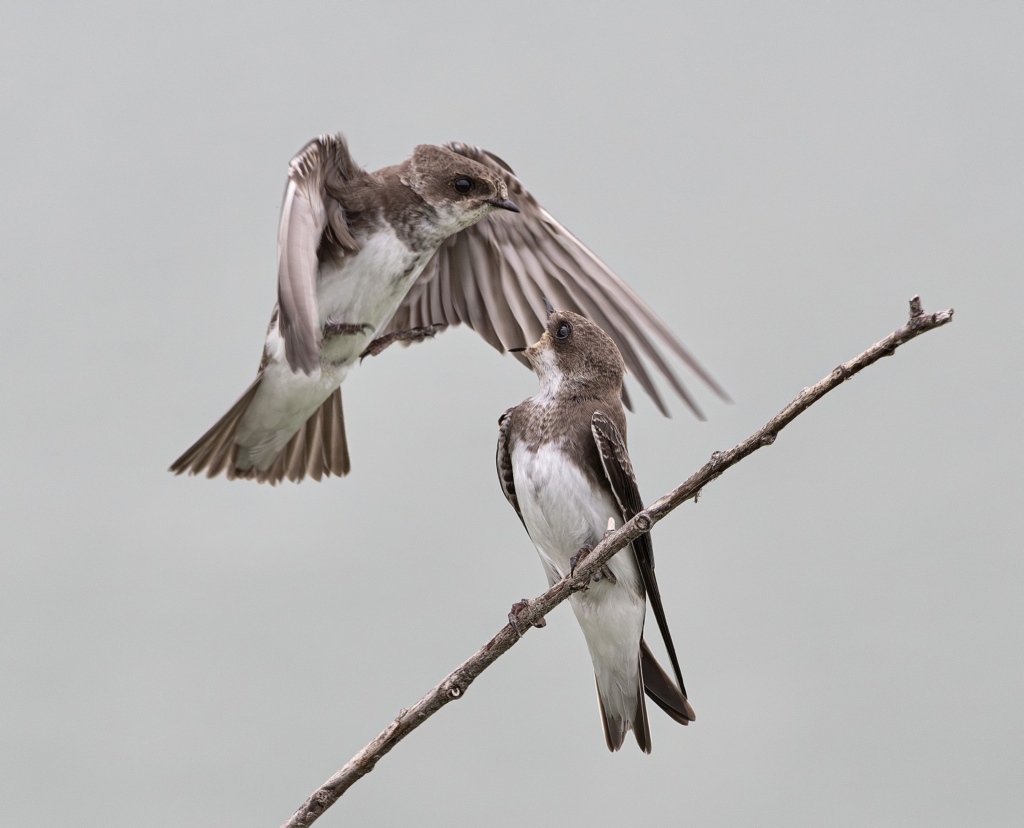
©Bank SwallowPhoto: Jack Belleghem
Through our research collaborations with nature-based organizations, Indigenous communities, private land stewards, government, and people like you, we are finding the best solutions to improve conservation outcomes for Bank Swallows.
Visit NatureCounts to get started.
Sign up for Birds Canada’s newsletter to receive the latest stories, science, conservation news, and opportunities to get involved.
A flexible solo or group activity that can take place any time from dawn till dusk. Counting Chimney Swifts is quick to learn and the birds are delightful to observe.
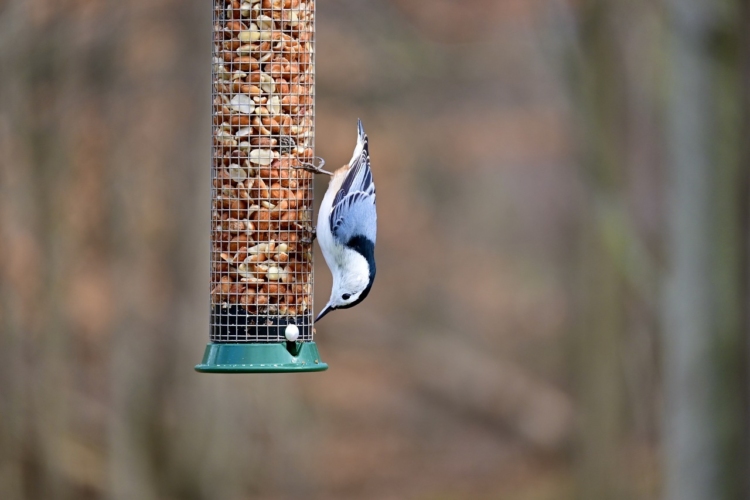
Counting birds at your feeder this winter is an easy, flexible opportunity - open to all skill levels and a great way to learn bird identification.
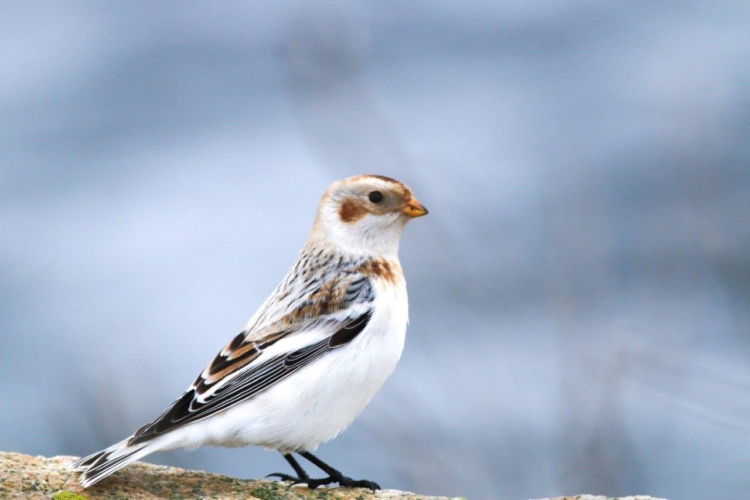
A long-running favourite, the Christmas Bird Count welcomes all skill levels and is a great way to meet birders, build skills, and embrace winter.
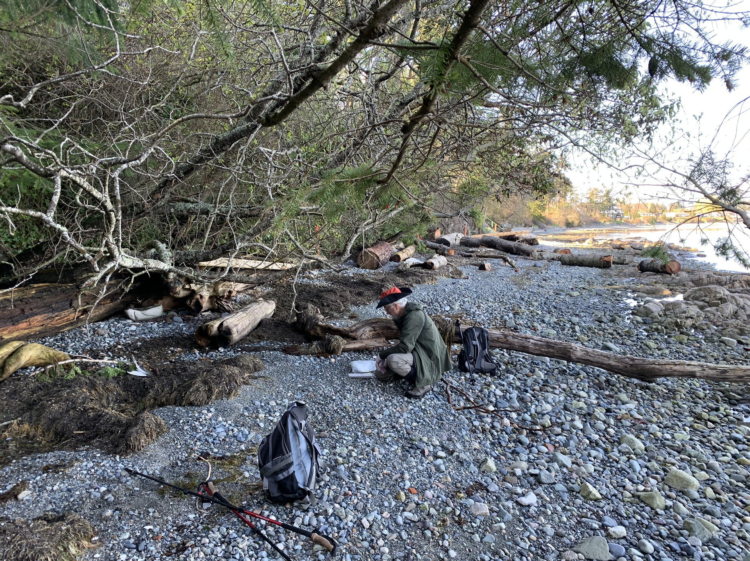
All skill levels can help monitor seabird mortality along coastlines – essential for early detection of oil spills and environmental change.
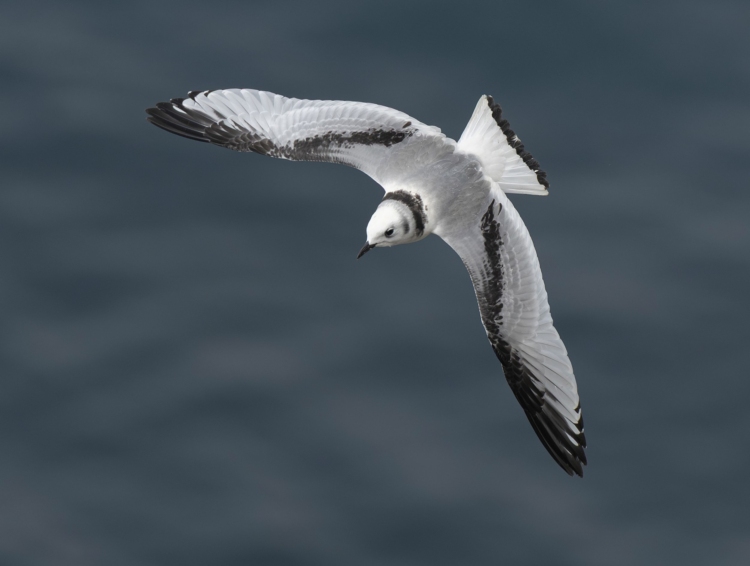
With specialized waterbird and raptor ID skills, help monitor a stretch of coastline once a month from September to April.
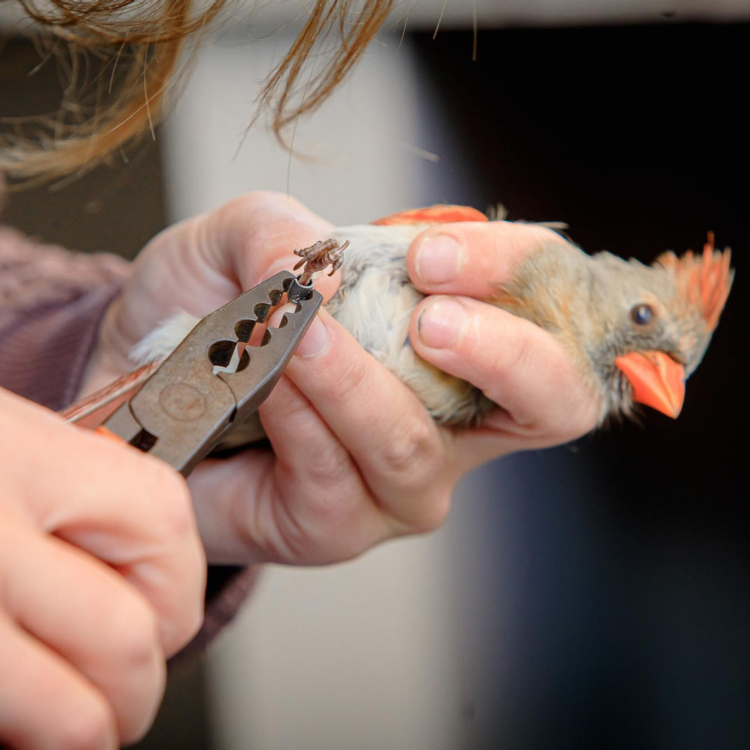
Located in the heart of an important migration corridor in Long Point, Ontario, LPBO brings people together through research, education, and training that deepens our understanding of birds, conservation, and the natural world. From migration monitoring to public engagement, LPBO offers volunteer opportunities to build skills, gain hands-on experience, and contribute to meaningful conservation work. More than a volunteer experience, this is a chance to live and learn at the heart of migration and become part of a community working together for birds.