Join This Season
SwiftWatch
May - September
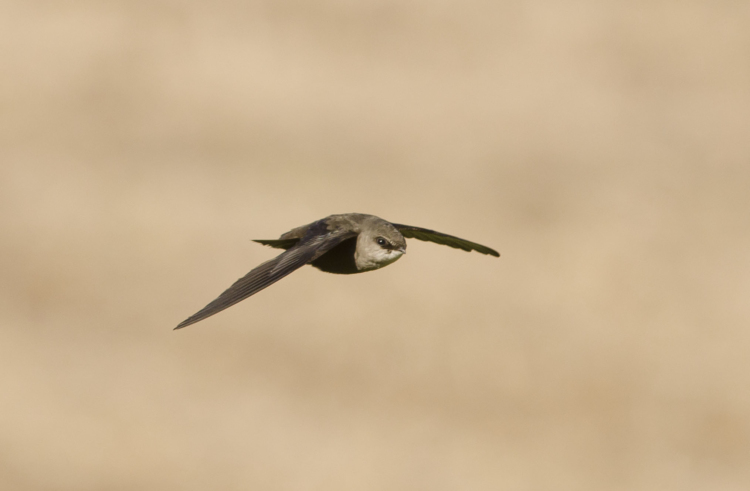
A flexible solo or group activity that can take place any time from dawn till dusk. Counting Chimney Swifts is quick to learn and the birds are delightful to observe.
Volunteers drive an assigned route to listen for nightjars – perfect for all skill levels, and those looking for a flexible opportunity.
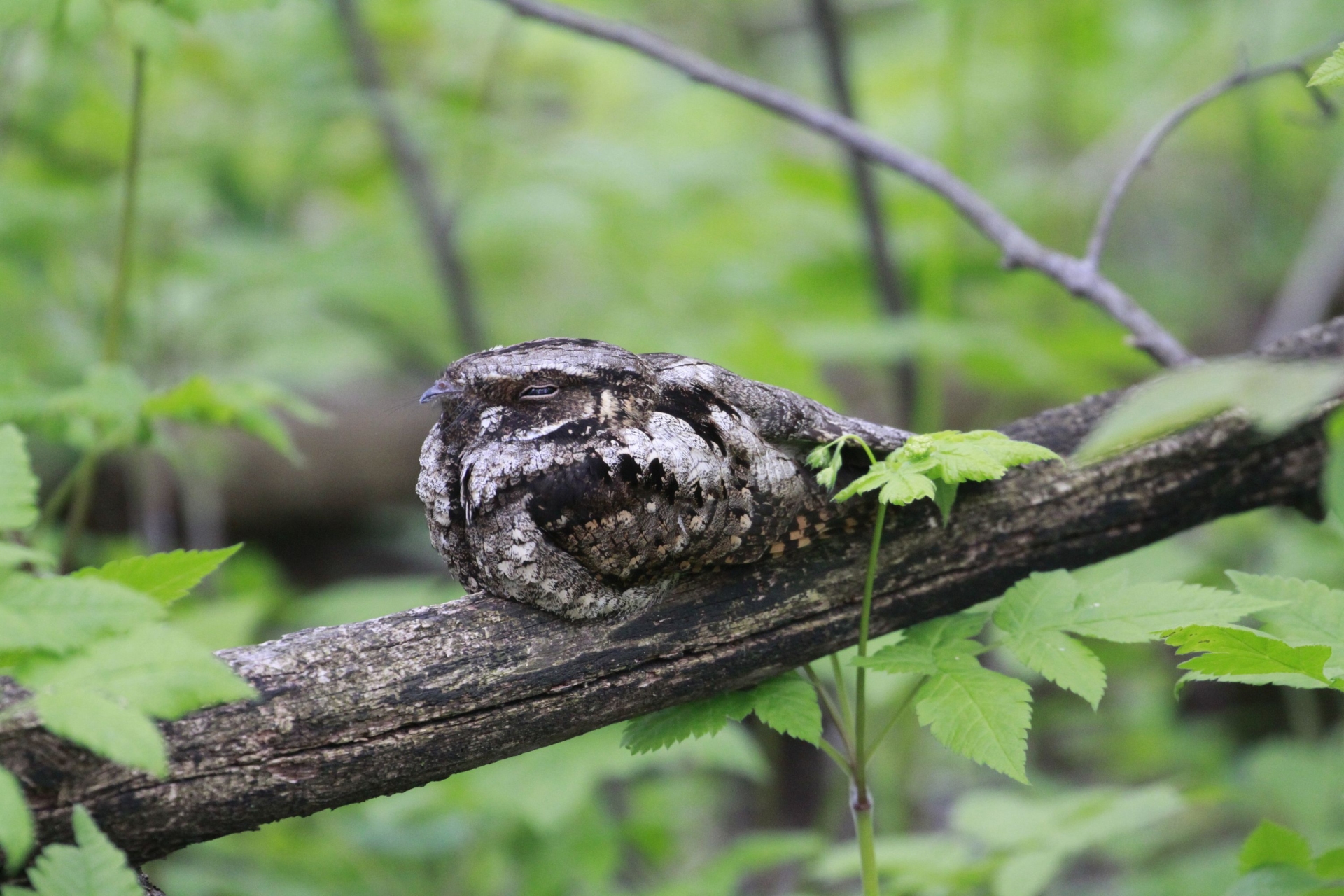
©Eastern Whip-poor-willPhoto: Grant Davis
©Eastern Whip-poor-willPhoto: Grant Davis
These nocturnal birds are most active at dawn and dusk, which means that a special monitoring effort is needed to track their populations. With only three species in Canada, volunteers can quickly learn their calls and contribute to this essential project.
In Canada, it starts half an hour before sunset and takes about two hours to complete. You simply need to be able to identify local nightjars, which, due to the different ranges, typically requires knowing the calls of just two species. You will also require access to a vehicle. The survey is conducted on an evening of your choice, usually under mild weather conditions, between June 15 and July 15.
The survey involves visiting 12 predetermined survey stations. At each station, you will listen quietly for nightjars for six minutes and record your findings, which are submitted online or via the user-friendly NatureCounts app.
Survey routes can be adopted for one or multiple years, which opens the possibility of surveying routes both locally and at a holiday location. You may also be lucky enough to hear owls and see fireflies!
Adopt a route, access project materials and submit your observations through NatureCounts, or contact the national coordinator for more information.
Active at dusk and through the night, nightjars are among Canada’s most mysterious and least-studied birds. In fact, there is currently insufficient information to determine population trends for the Common Poorwill in Canada. The data that are available for the Common Nighthawk, which is listed as being of Special Concern, and the Eastern whip-poor-will, which is listed as Threatened, suggest declines, possibly linked to decreases in insect prey populations and habitat loss across their breeding and post-breeding ranges.
For these reasons, and because nightjars are not adequately monitored by other broad-scale programs, we run this long-term, focused monitoring initiative that provides data on distribution, abundance, and habitat associations.
The vital information that you will be collecting will inform robust population trends, and will monitor distribution changes, as well as the effects of wildfires and habitat fragmentation, allowing us to better understand and conserve these distinctive birds.
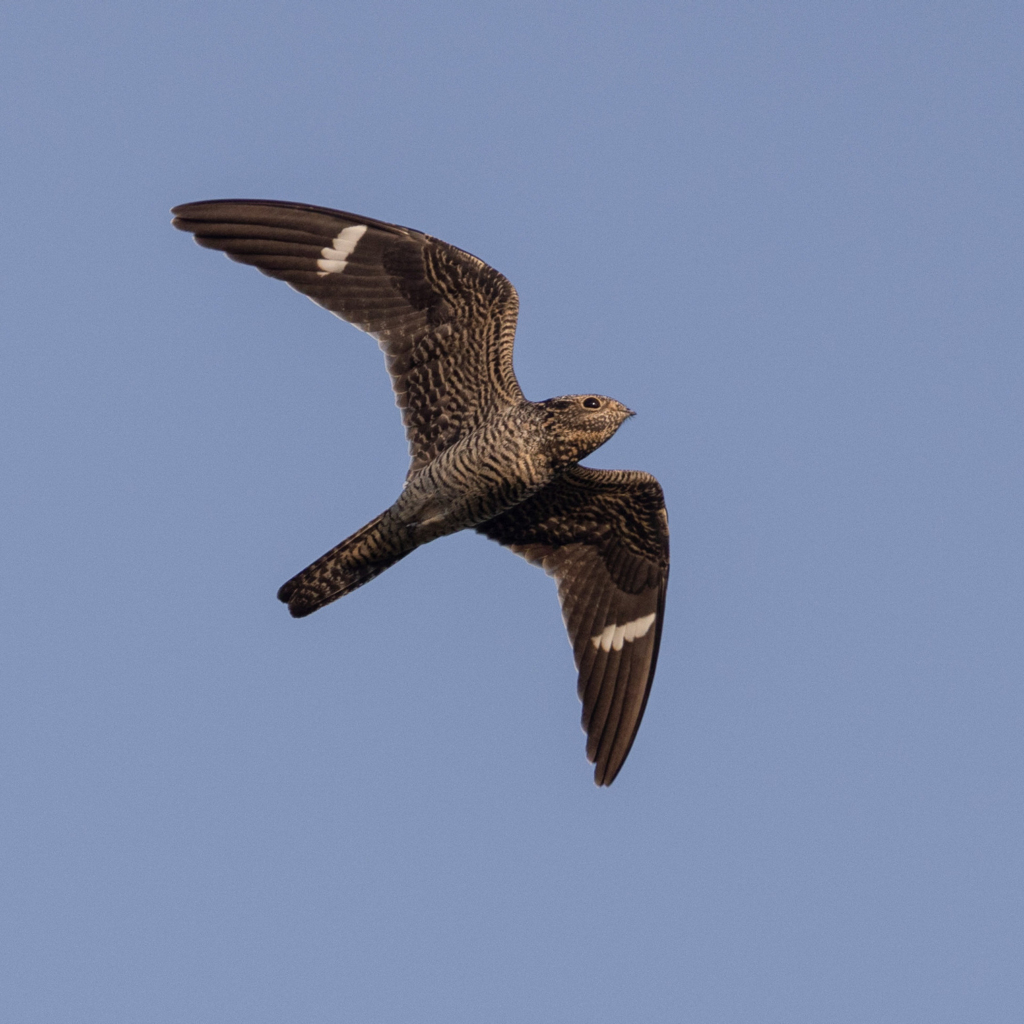
©Common NighthawkPhoto: Kalvin Chan
Adopt a route, access project materials and submit your observations through NatureCounts.
Sign up for Birds Canada’s newsletter to receive the latest stories, science, conservation news, and opportunities to get involved.
A flexible solo or group activity that can take place any time from dawn till dusk. Counting Chimney Swifts is quick to learn and the birds are delightful to observe.
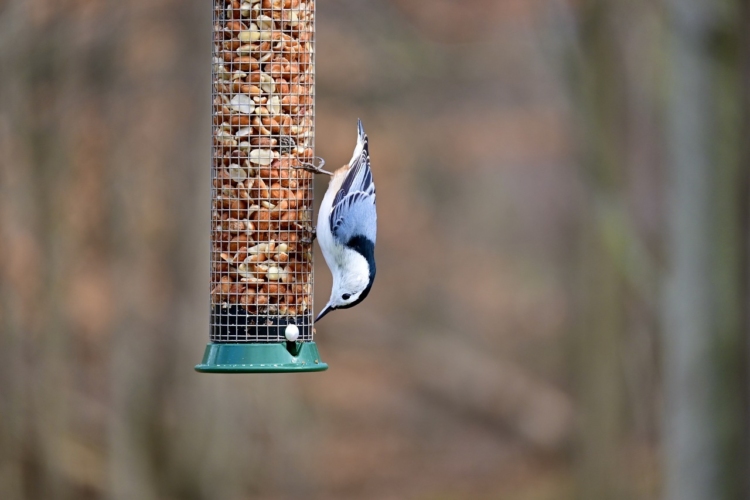
Counting birds at your feeder this winter is an easy, flexible opportunity - open to all skill levels and a great way to learn bird identification.
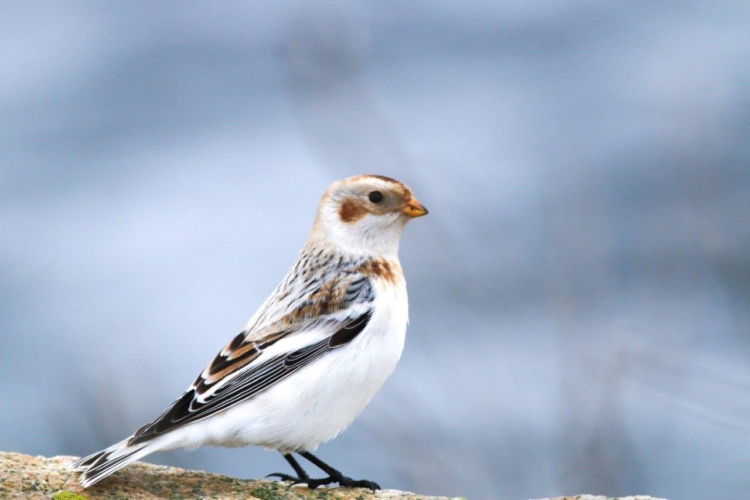
A long-running favourite, the Christmas Bird Count welcomes all skill levels and is a great way to meet birders, build skills, and embrace winter.
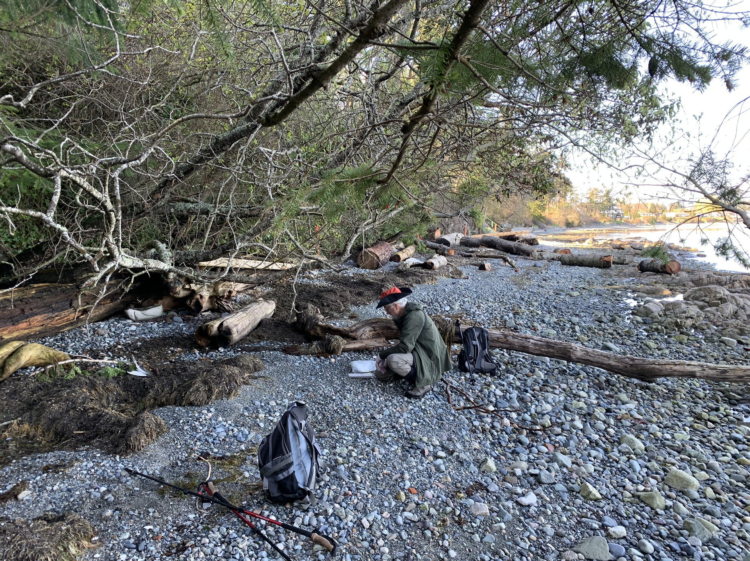
All skill levels can help monitor seabird mortality along coastlines – essential for early detection of oil spills and environmental change.
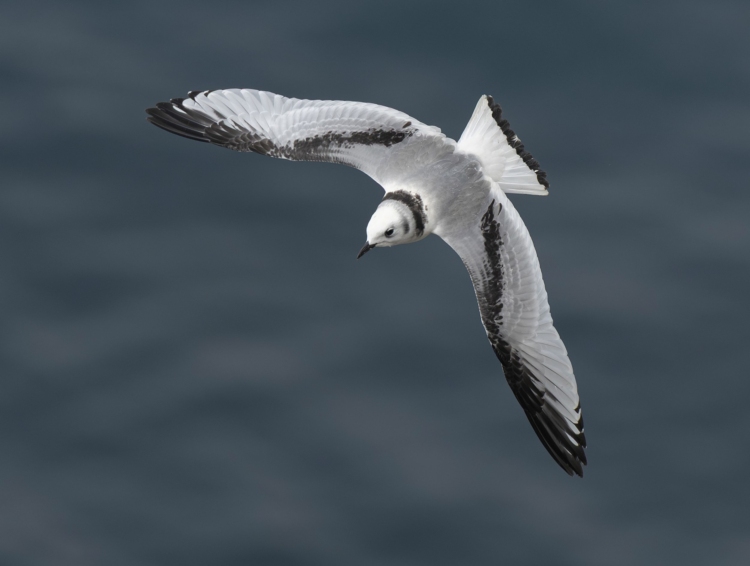
With specialized waterbird and raptor ID skills, help monitor a stretch of coastline once a month from September to April.
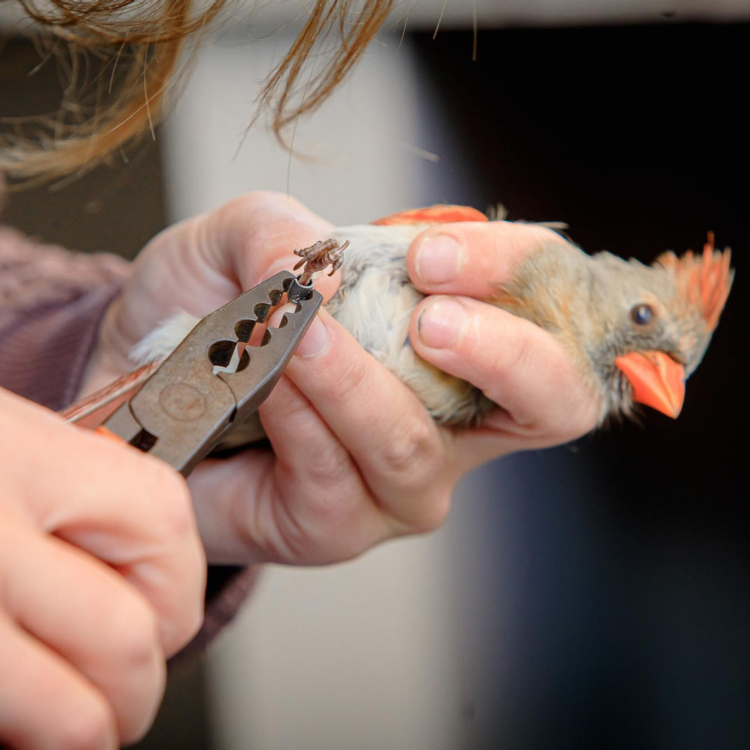
Located in the heart of an important migration corridor in Long Point, Ontario, LPBO brings people together through research, education, and training that deepens our understanding of birds, conservation, and the natural world. From migration monitoring to public engagement, LPBO offers volunteer opportunities to build skills, gain hands-on experience, and contribute to meaningful conservation work. More than a volunteer experience, this is a chance to live and learn at the heart of migration and become part of a community working together for birds.